


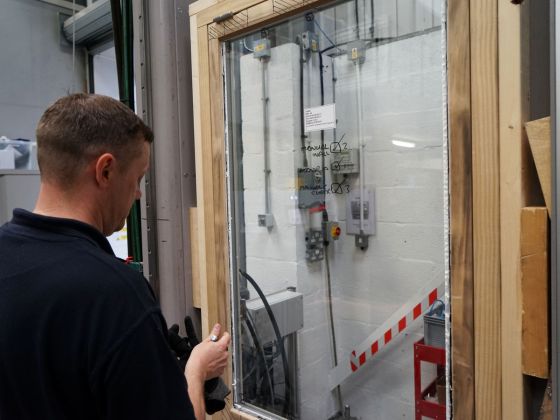

Accoya
A high-performance, sustainably sourced modified timber known for its exceptional durability, stability, and resistance to rot.
Active Door Leaf
The primary door in a double-door system that opens and closes first, often fitted with locking hardware.
Astragal
Decide where the letter plate will be positioned in your door.
Auto Lock
A locking mechanism that automatically engages when the door is closed, providing immediate security without needing to turn a key or lift a handle.
Backplate
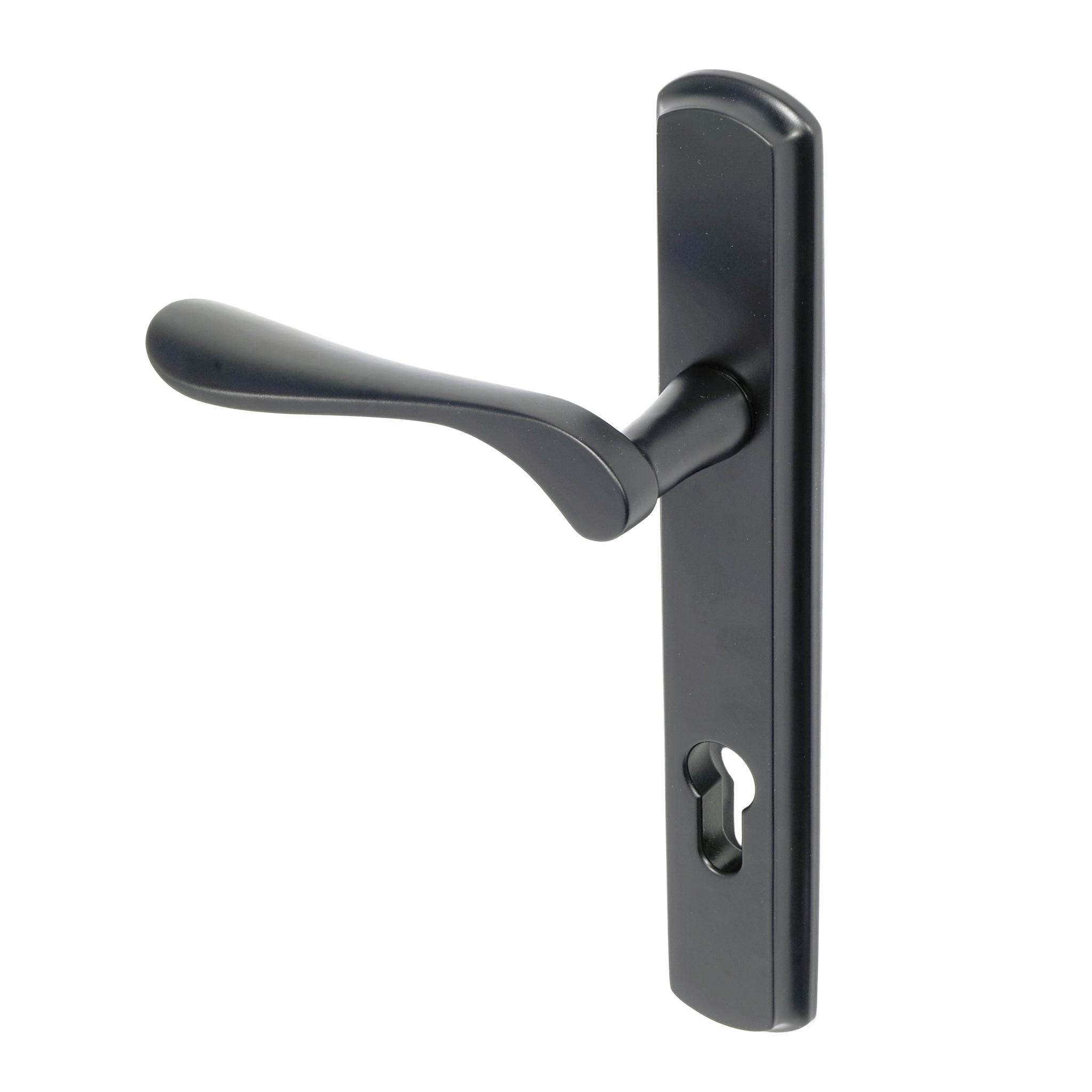
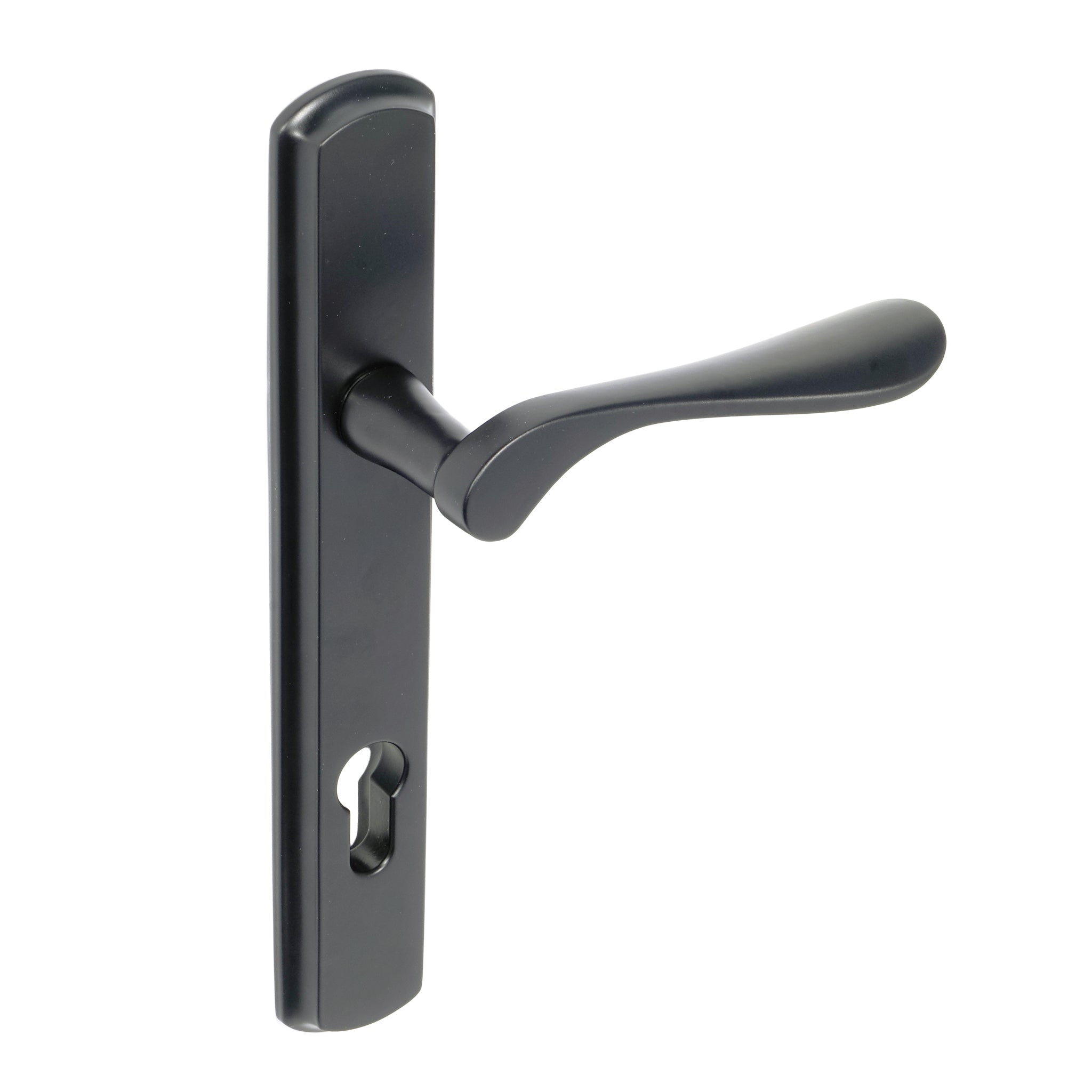
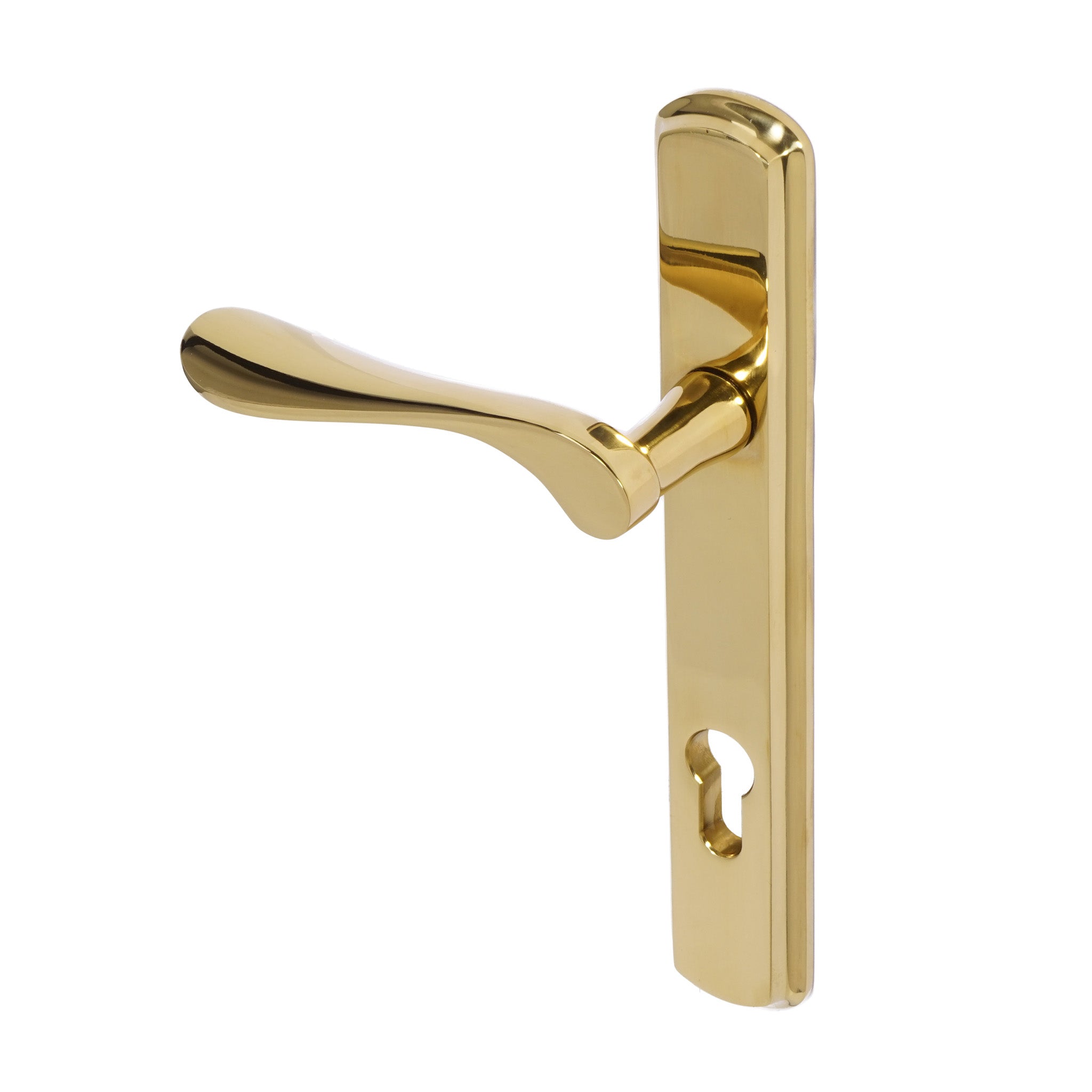
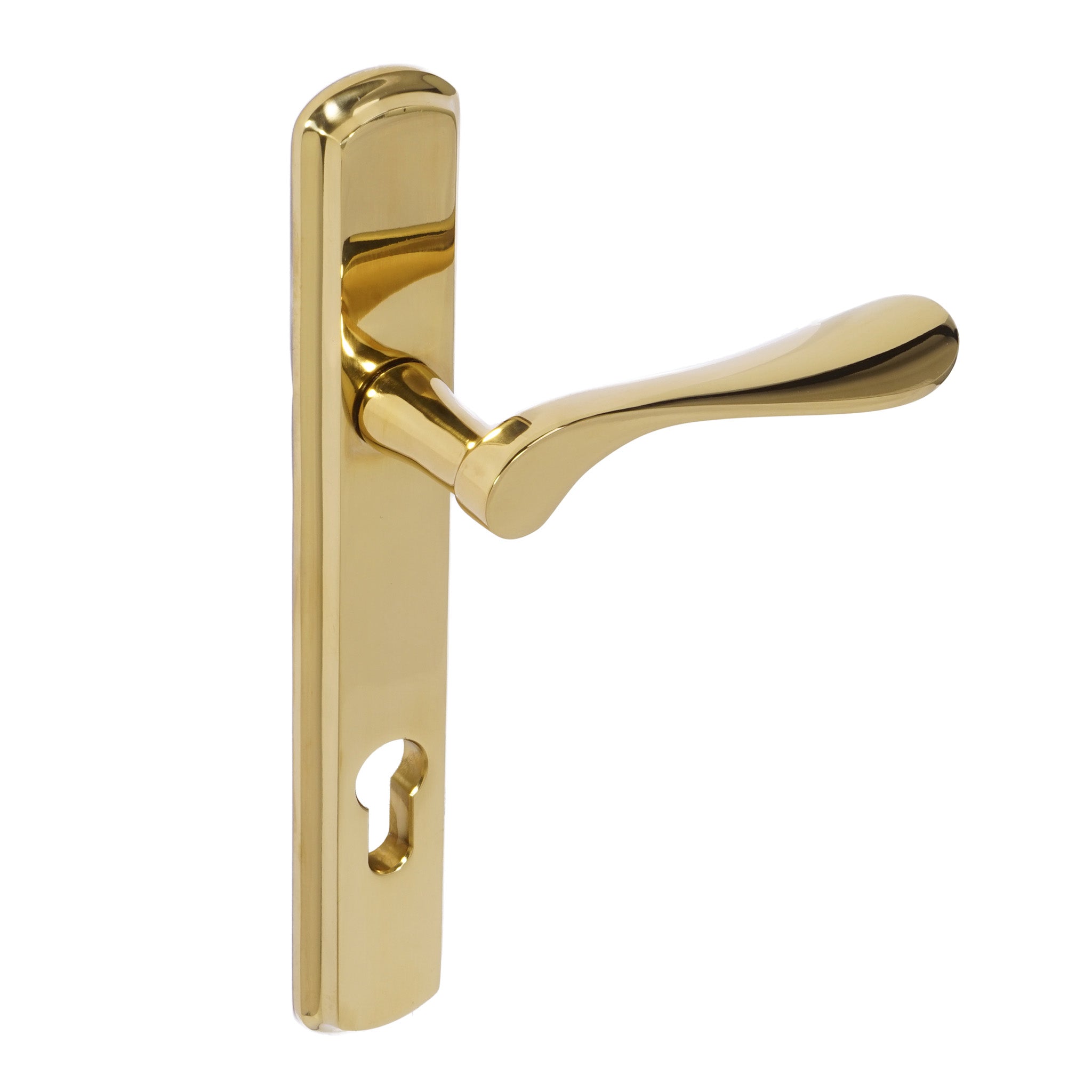
The plate on which the lock mechanism is mounted, often part of a handle assembly.

Backset
The distance from the edge of the door to the centre of the keyhole or spindle, critical for lock placement.
Bifold Door
A door that folds in sections, often used to save space or provide wide access.

Black Hardware
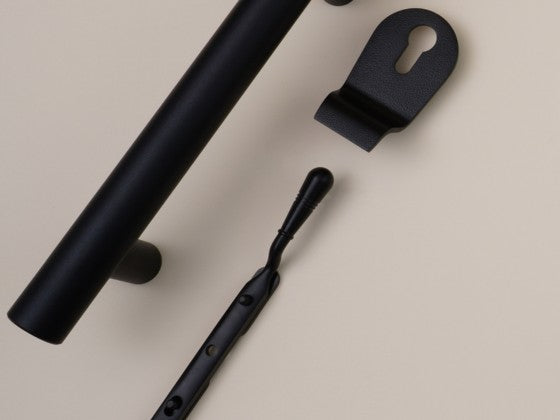
Door and window hardware finished in black for a modern, stylish appearance, often powder-coated for durability.

Butt Hinge
A hinge with two rectangular plates that are morticed into the edge of the door and frame for a flush fit.
Casement Stay
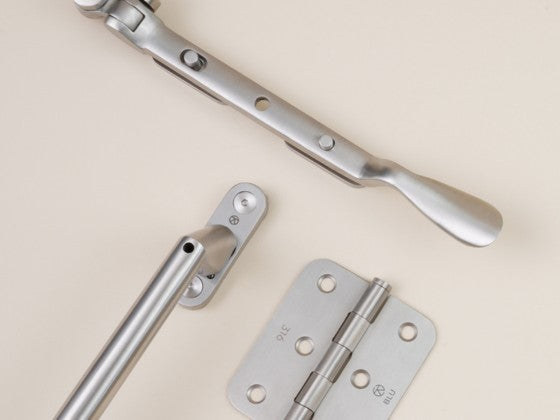
A bar that secures a casement window in an open position, adjustable to various angles.
Centreline
The central axis of a component or product, often used to determine accurate placement or symmetry during installation, particularly for handles and hinges.
Cill
The horizontal base of a window or door frame, providing structural support and weatherproofing.
Coastal Environment
An environment near the sea where higher salt and moisture levels demand corrosion-resistant hardware and materials.
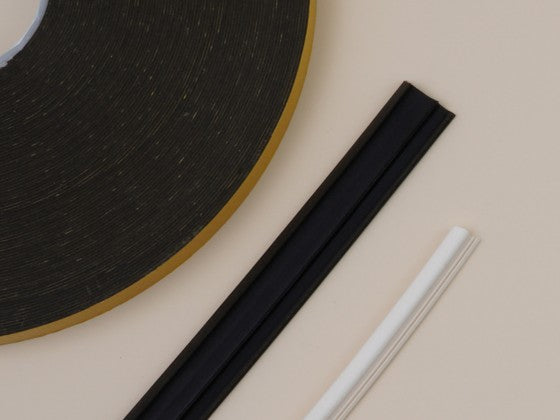
Composite Glazing Bead
A strong, durable strip – often made from a blend of materials – used to secure the glass pane within a window or door frame.

Cylinder
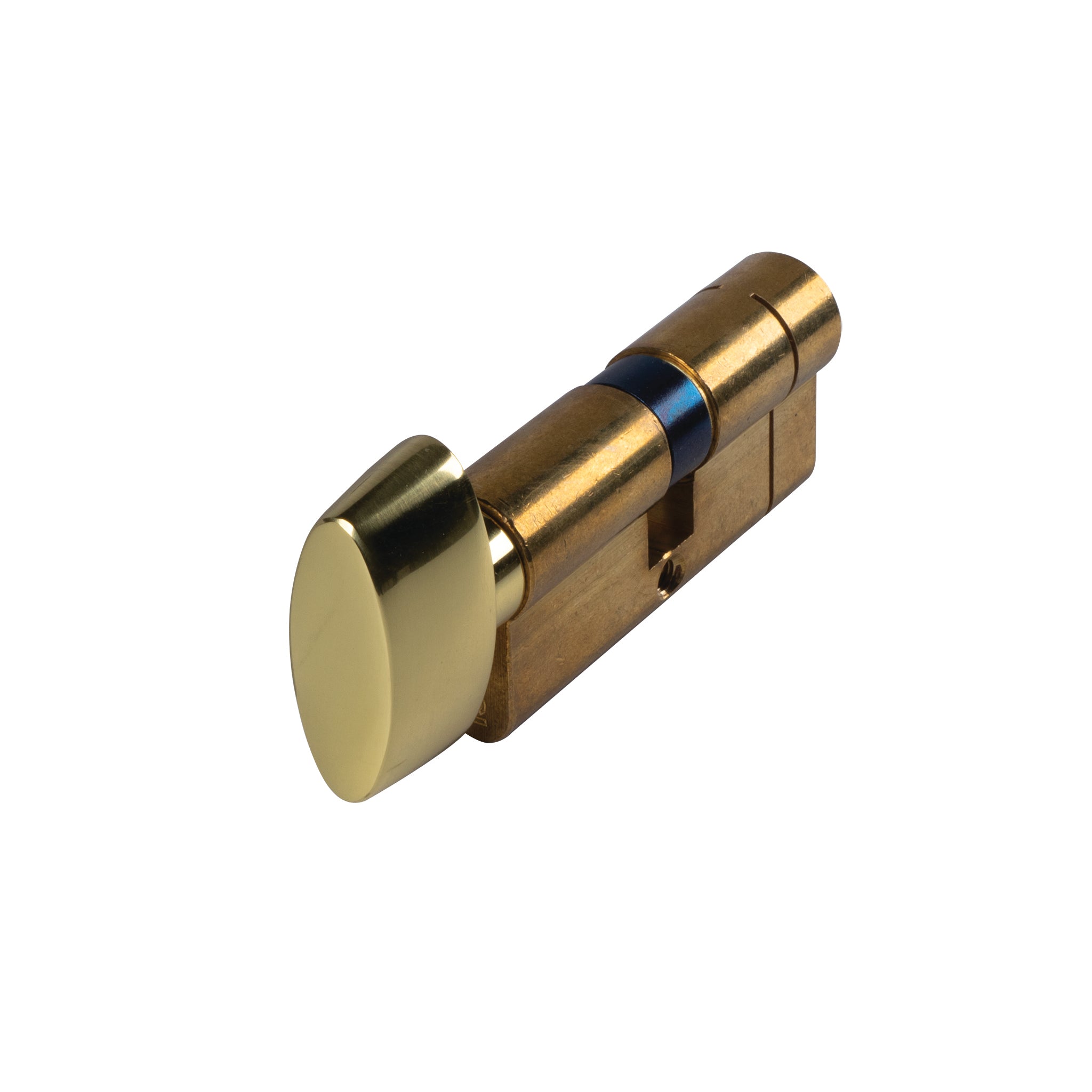
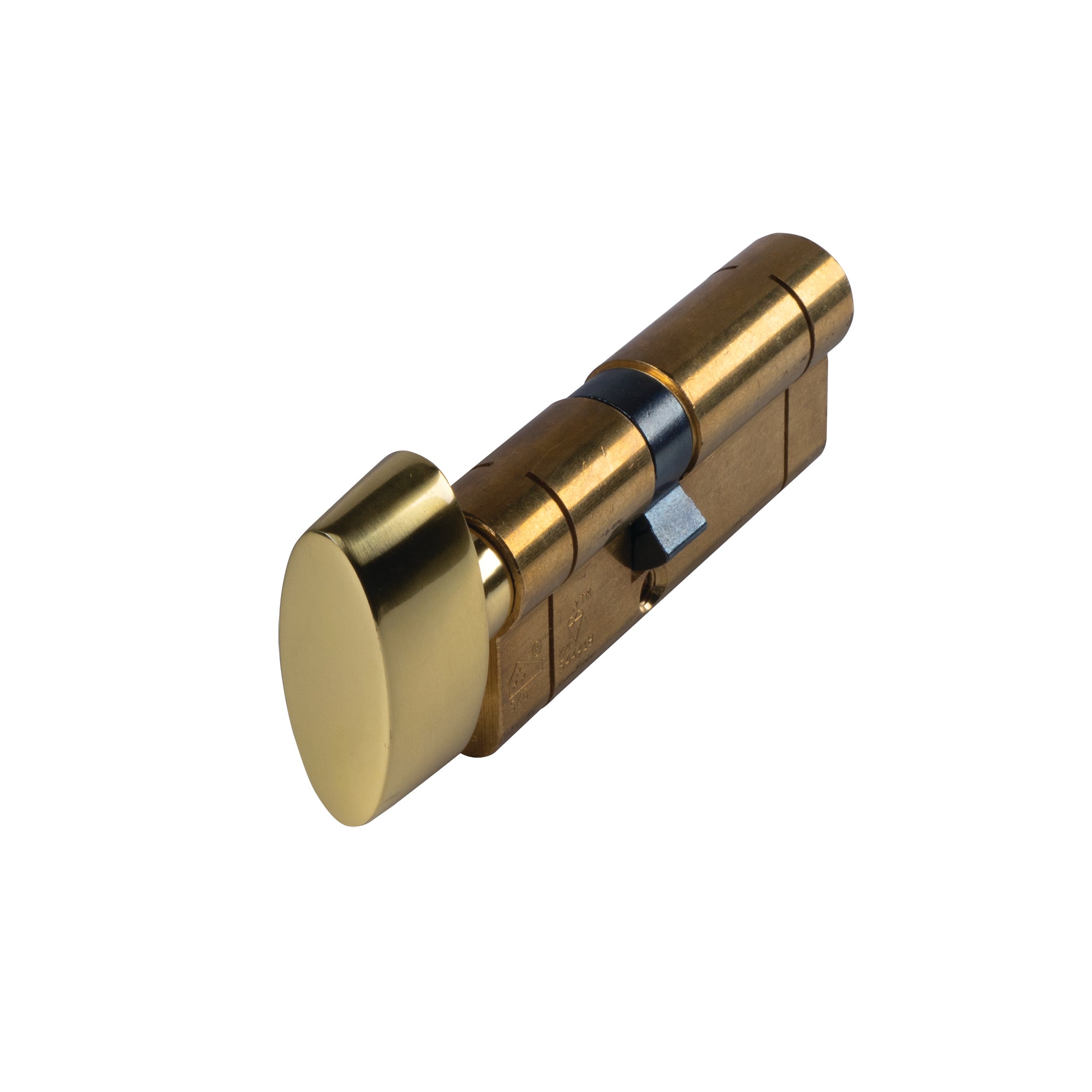
The part of a lock where the key is inserted, often interchangeable for security upgrades.

Dead Bolt
A robust locking mechanism operated by a key or thumb turn, providing additional security.
Door Furniture
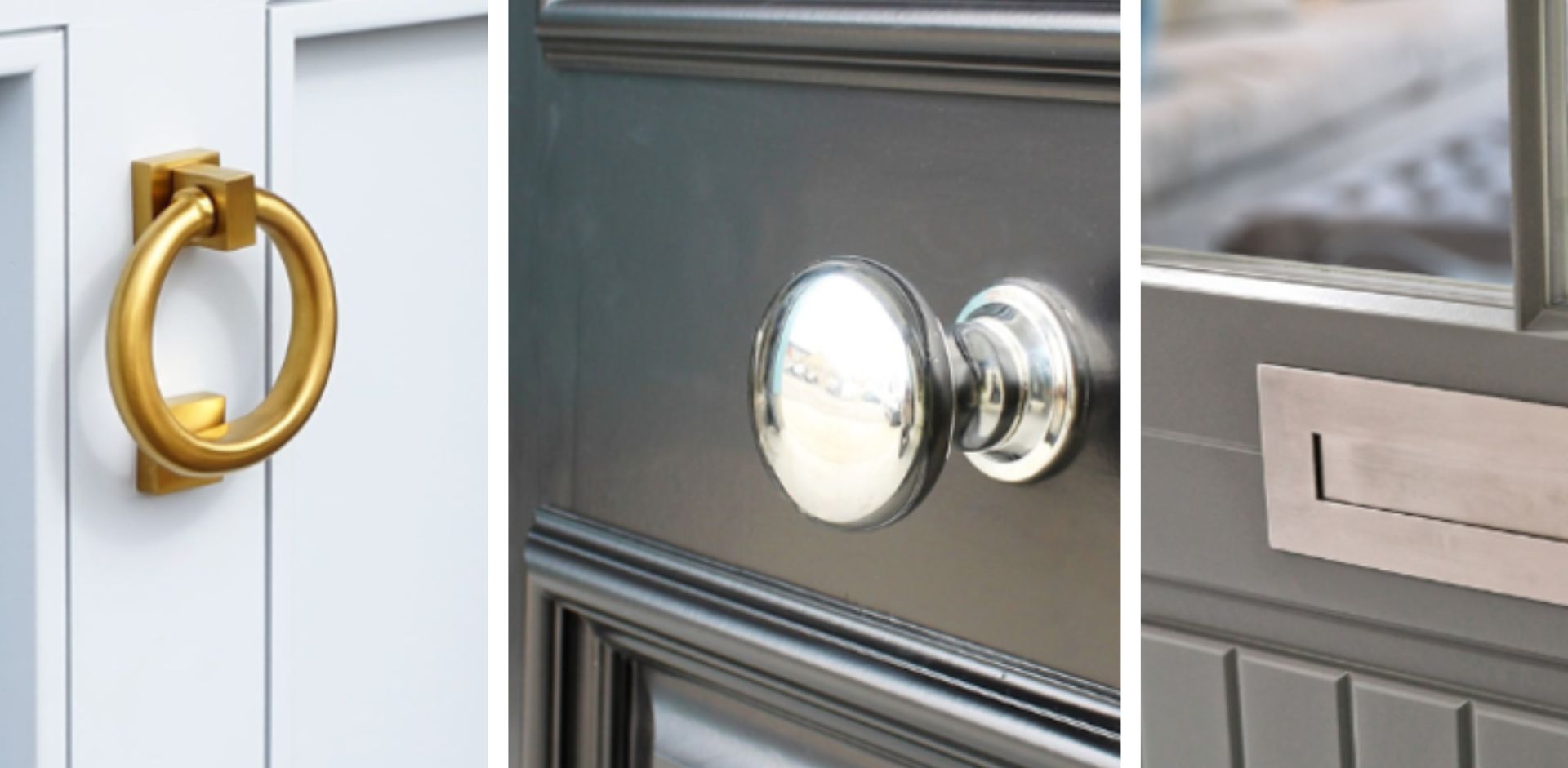
A collective term for hardware attached to doors, including handles, letterplates, locks, hinges, and accessories.
Door Handing
Refers to the direction a door swings when opened—left-hand or right-hand—determined by standing outside and observing the hinges.
Door Handle Height
The standard height for fitting door handles, usually around 1000mm from the finished floor level to ensure accessibility.
Door Hardware
All mechanical or decorative elements used on doors, including locks, hinges, and handles.
Double and Single Rebate Meeting Stiles
A meeting stile is where two door leaves meet. A single rebate has one level change for sealing; a double rebate has two, offering better weather and thermal performance.
Dropdown Seal
A seal fitted into the bottom of doors that automatically drops down when the door closes, helping to block draughts, noise, and smoke.
Escutcheon
A decorative plate surrounding a keyhole or cylinder, providing a finished look and protecting against wear.

Espagnolette Bolt
A locking mechanism commonly used on French doors or windows, operated by a handle that engages vertical bolts.
Euro Profile
A standardised shape for lock cylinders commonly used in mortice locks.
Faceplate
The visible metal plate on the edge of the door where the lock latch or bolt extends.
Finish
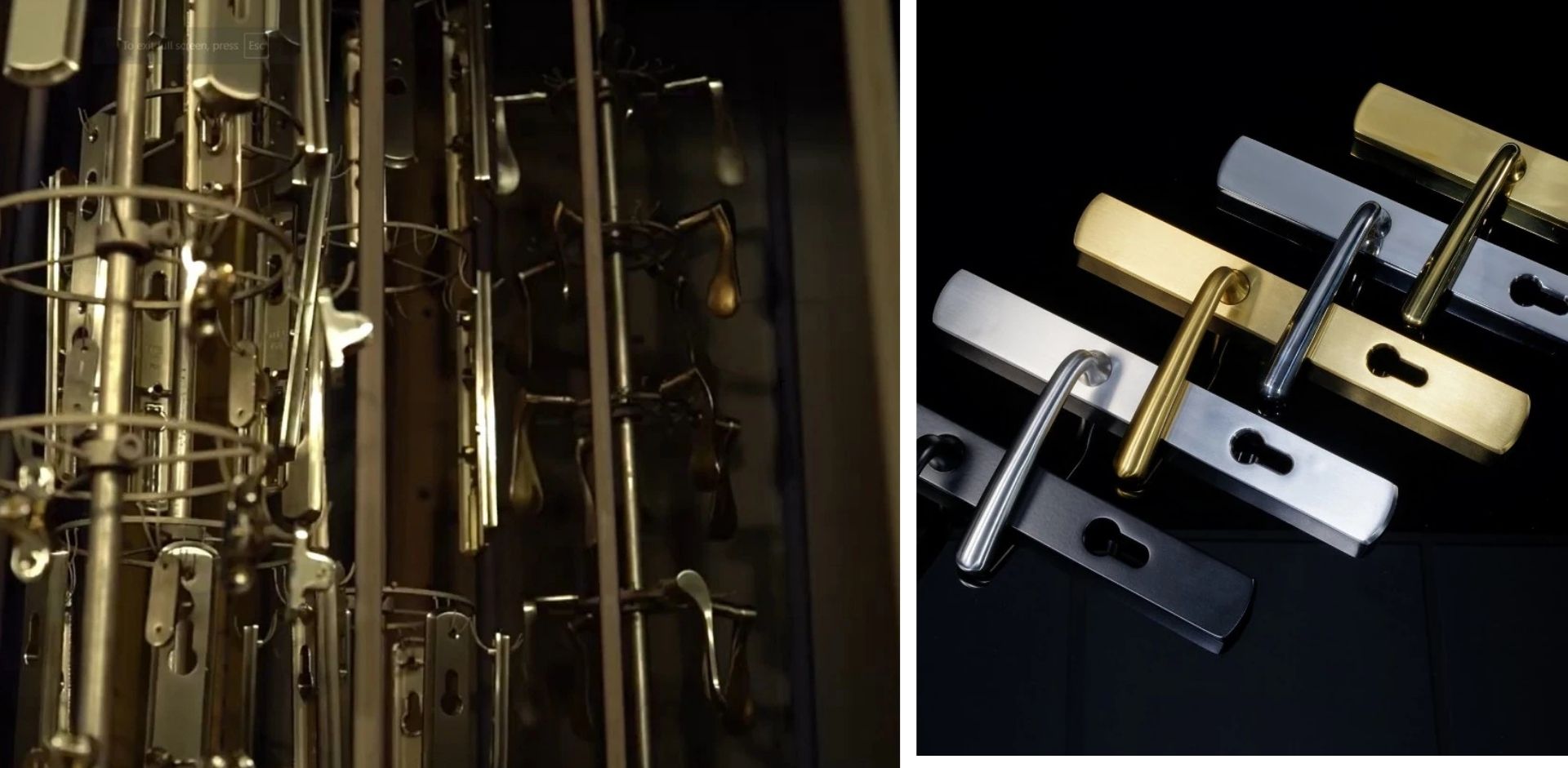
The coating or surface treatment applied to hardware for aesthetics and protection, such as satin brass, polished stainless steel, or matt black lacquered.

Fire Escape Windows
Windows designed to open wide enough to provide a clear escape route in case of fire, complying with specific building regulations.
Flush Bolt
A bolt installed flush into the door edge, often used on the inactive leaf of double doors.
Flush Casement
A window style where the sash sits flush with the outer frame for a clean, streamlined appearance.
Friction Hinge
A hinge mechanism on casement windows that holds the sash open at different angles without the need for a separate stay.

French Casement Windows
A pair of side-hinged windows that open outward from the centre without a fixed vertical mullion, offering an unobstructed opening.
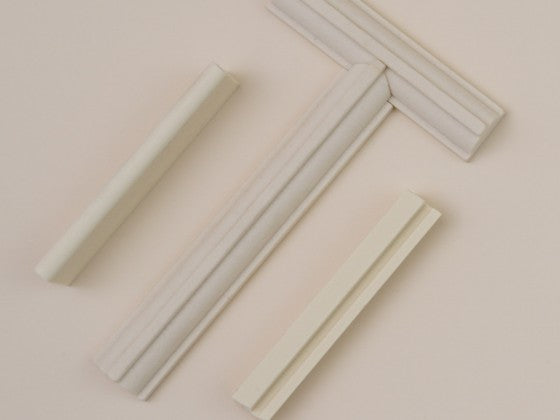
Glazing Bead
A strip that secures glass within a window or door frame, ensuring a tight fit.
Jamb
The vertical sides of a door or window frame, providing structural support and housing hardware like hinges or strike plates.
Keep
The metal plate or box in the frame that receives the lock latch or bolt, also called a strike plate.

Keyed Alike
A system where multiple locks can be opened with the same key, offering convenience.
Keyed To Differ
A system where each lock has a unique key for added security.
Letter Plate
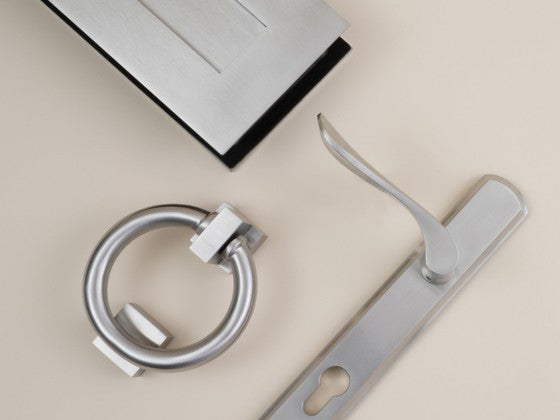
A slot in a door for receiving post (letters), often paired with a flap or brush for weatherproofing.

Mortice Lock
A lock fitted into a recess (mortice) cut into the door, offering enhanced security.
Mullion
A vertical bar between sections of a window or door, dividing glass panels or leaves.
Multipoint Lock
A locking mechanism with multiple bolts or hooks that engage at different points along the door edge for superior security.

Part Q Compliance
A requirement under UK Building Regulations that doors and windows installed in new homes must meet security standards to prevent unauthorised entry.
PAS24
A British standard that sets out enhanced security requirements for doors and windows to resist burglary attempts.
Pivot Door
A door that rotates on a central vertical axis rather than being hung from side hinges, allowing dramatic, wide openings.
Pivot Window
A window that rotate horizontally or vertically around a central pivot point, ideal for ventilation and easy cleaning.
Powder Coating
A durable, weather-resistant smooth finish created by fusing a powdered pigment and curing it with heat.
Projection
The distance a handle, knob, or other hardware extends from the door or frame surface.
Pull Handle
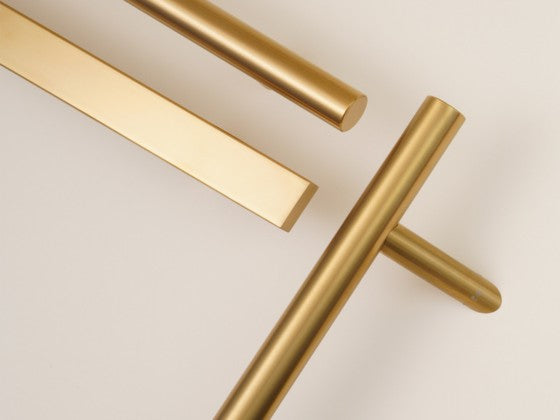
A handle, often fixed to doors or large windows, that provides a strong grip point to pull the unit open or closed.

PVD Coating
Physical Vapor Deposition coating, a durable finish that resists tarnishing and scratches.

PVD Coating
Physical Vapor Deposition coating, a durable finish that resists tarnishing and scratches.
Rebate Kit
A set of components that allows a lock or latch to fit neatly into a rebated (stepped) door edge.
Roto Inowa
A sliding door system by Roto that offers superior sealing, smooth operation, and high weather performance thanks to an innovative locking mechanism.

Rose
A circular or oval plate around a door handle spindle, providing a decorative and functional finish.

Sash Window
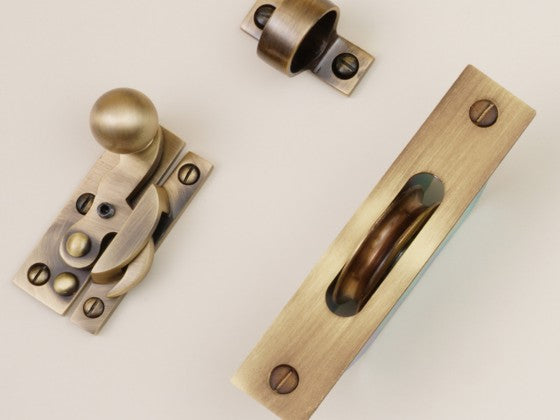
A traditional window style with one or more movable panels (sashes) that slide vertically or horizontally.
Shootbolt
A locking mechanism that extends bolts into the frame at the top and bottom of a door or window for added security.
Side Hung
A window that is hinged on the side and opens outward or inward like a door, commonly used for ventilation and easy access.
Siegenia Comfort Unit
An advanced lift and slide door system from Siegenia that improves ease of operation, tight sealing, and high thermal efficiency.

Slam Shut
A door locking system that secures automatically when pushed closed, often used in residential or apartment settings for convenience and security.
Sliding Sash Windows
Traditional windows made of two vertically sliding panels (sashes), often counterbalanced by weights or springs.
Soft Close Door Operation
A mechanism that slows a door's movement before it closes, preventing slamming and reducing wear and noise.
Spindle
A metal rod that connects door handles through the latch mechanism, allowing the handle to operate the latch.
Stainless Steel Grade
The classification of stainless steel based on its composition and properties, such as 304 or 316, indicating resistance to corrosion and durability.
Stable Door Lock
Locking system designed for stable doors, which are split horizontally to allow the top half to open independently of the bottom.

Stile
The vertical side sections of a door or window sash, forming the framework.
Stormproof Casement
A casement window where the sash overlaps the frame, providing extra weather protection against heavy rain and wind.
Strike Plate
A metal plate fixed to the door frame to receive the latch or bolt when the door is closed.
Suited Ironmongery
A coordinated set of door and window hardware where finishes and designs match across a project for a consistent look.
Threshold
A flat or sloped strip at the bottom of a door opening, improving accessibility and weatherproofing.
Thumb Turn
A manual locking mechanism operated by turning a knob, often used on the inside of doors for quick access.
Tilt and Turn
A versatile window style that tilts inward for ventilation or turns fully inward for cleaning or egress.
Top Hung
A window that is hinged at the top and opens outward from the bottom, typically used for controlled ventilation and to protect against rain entry.
Trickle Vents
Small ventilators installed in windows or doors to allow a constant flow of background air into a building without opening the window.
Universal Fixing
Hardware designed to be compatible with multiple door or window configurations for easy installation.

Unsprung
A handle mechanism without a spring, relying on the latch or lock spring for operation.
Weatherseals
Flexible strips fitted around windows and doors to prevent water, air, and dust from entering a building.

Window and Door Kits
Pre-assembled packs containing essential hardware components needed to install and operate a window or door correctly.
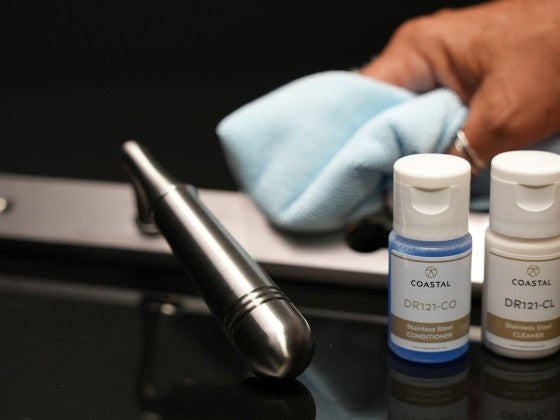
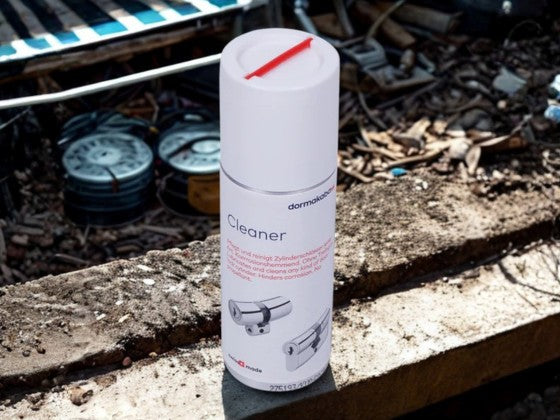
Window and Door Maintenance
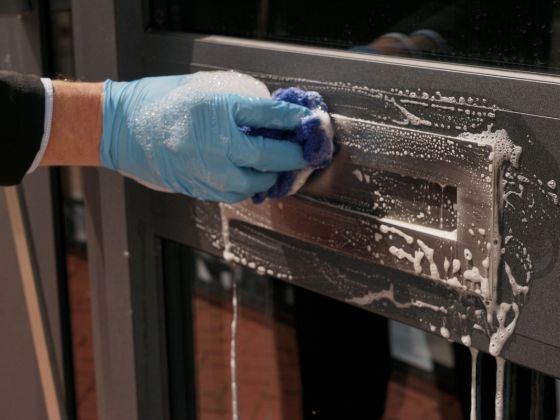
Routine tasks such as cleaning, lubrication, inspection, and minor adjustments to extend the life and performance of doors and windows.
Window and Door Tooling
Specialised tools and machinery used to prepare, assemble, and install windows and doors to precise standards.
DOWNLOAD THE GLOSSARY