
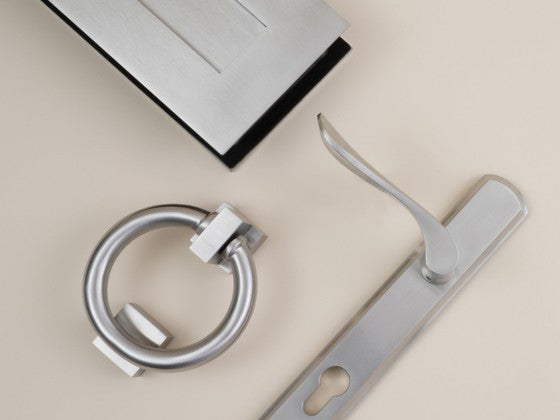

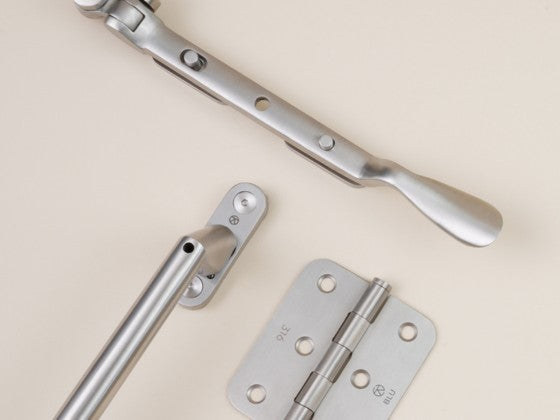



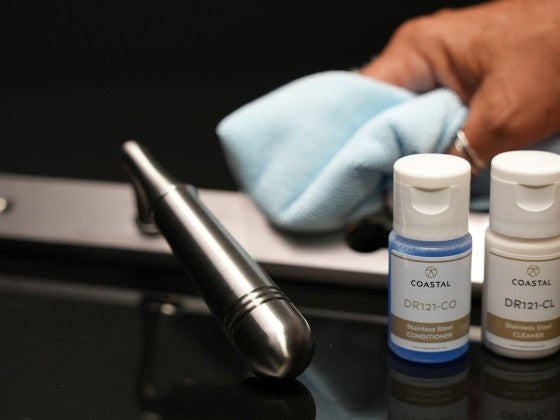

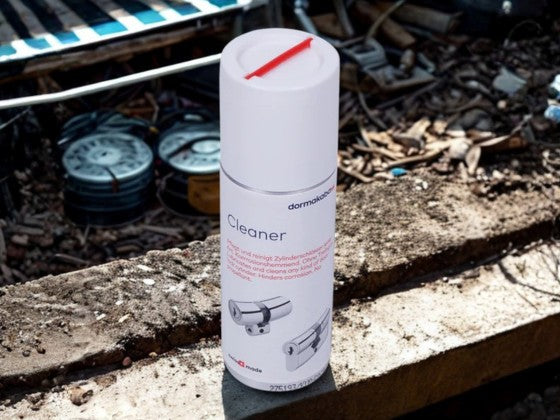




Looking after your hardware
Why it matters
Door and window hardware is exposed to daily use and, in many cases, challenging environmental conditions. Regular cleaning and inspection can help maintain appearance, reduce wear and ensure smooth operation throughout the product's lifetime.
The level of maintenance required will vary depending on the product finish and installation environment. Coastal and marine locations, for example, may require more frequent cleaning than sheltered inland locations.
Coastal's BLU, DURATIQUE and EDWIN ranges are all covered by the Performance for Life guarantee, giving you peace of mind.
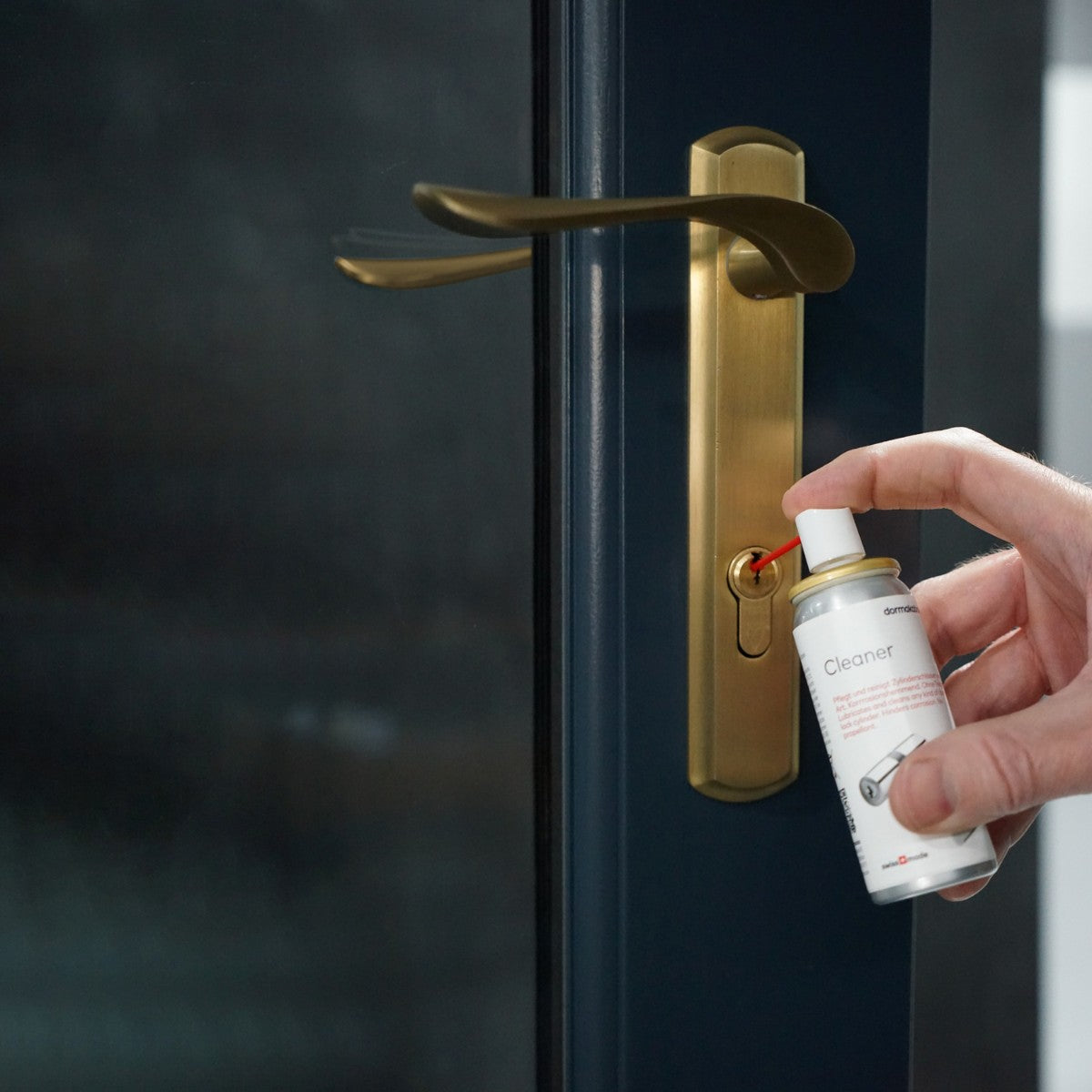
View care videos
Learn how to clean and protect each finish with simple video guides from our technical team.

View latest guides
Access step-by-step maintenance instructions and cleaning recommendations for keeping your hardware in excellent condition.
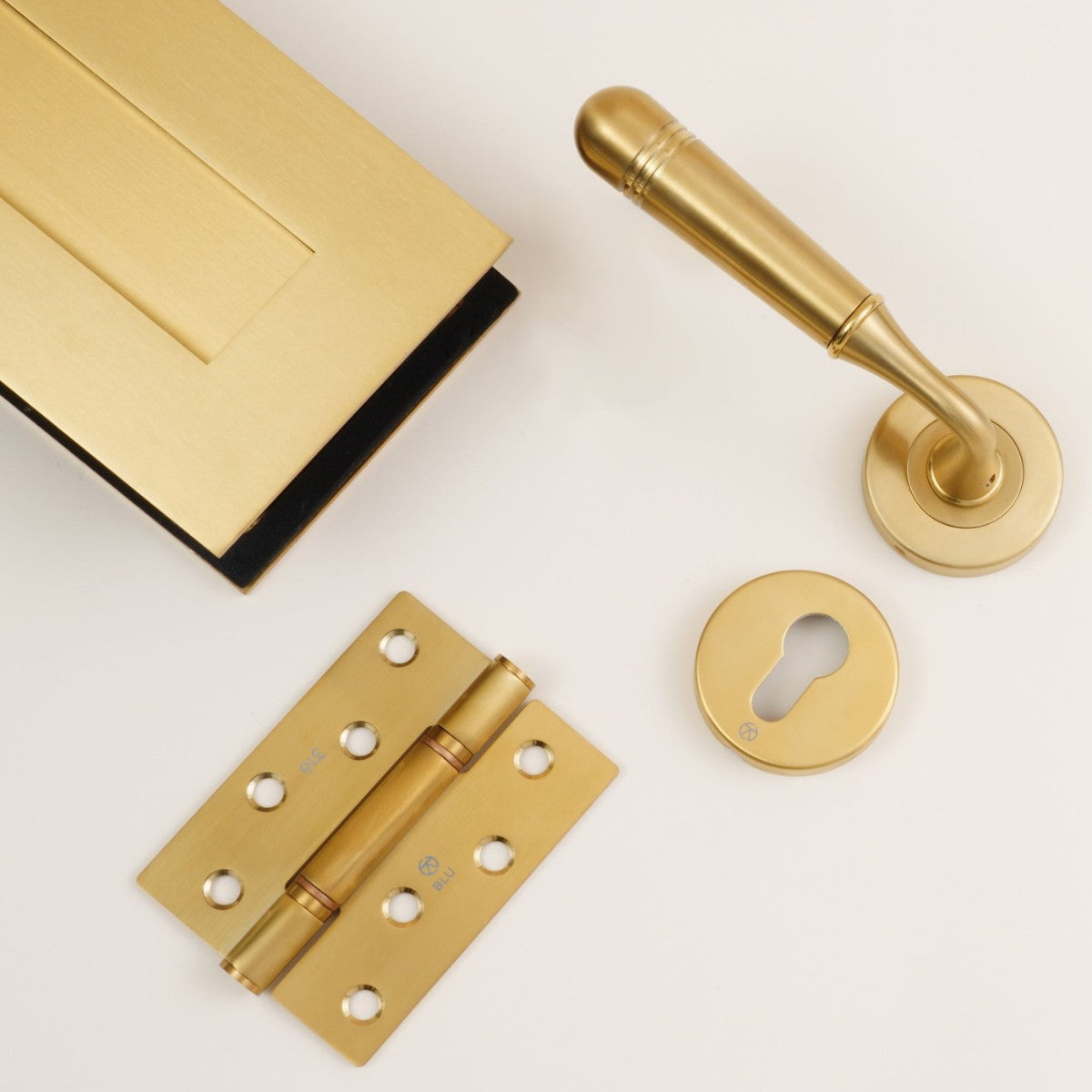
Browse by finish
Explore our range of finishes and find specific advice on caring for and maintaining each one.
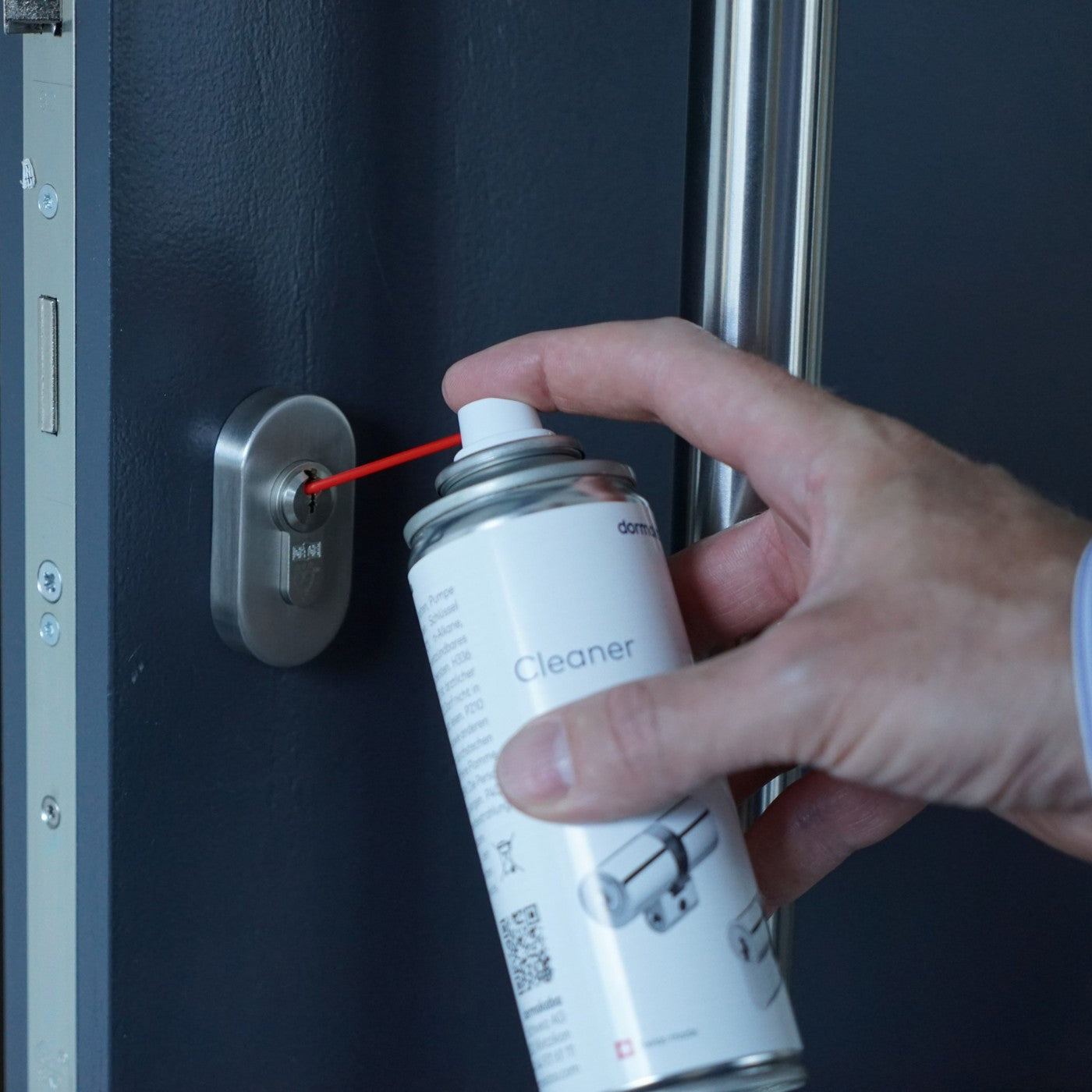
Hardware Care & Maintenance Videos
Our maintenance videos provide step-by-step guidance on cleaning and caring for your hardware, helping you preserve its appearance and performance.
Topics include:
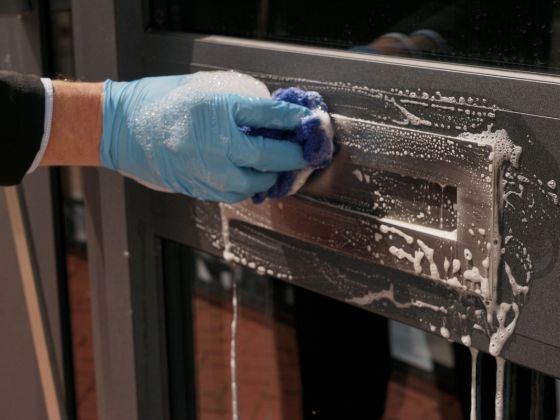
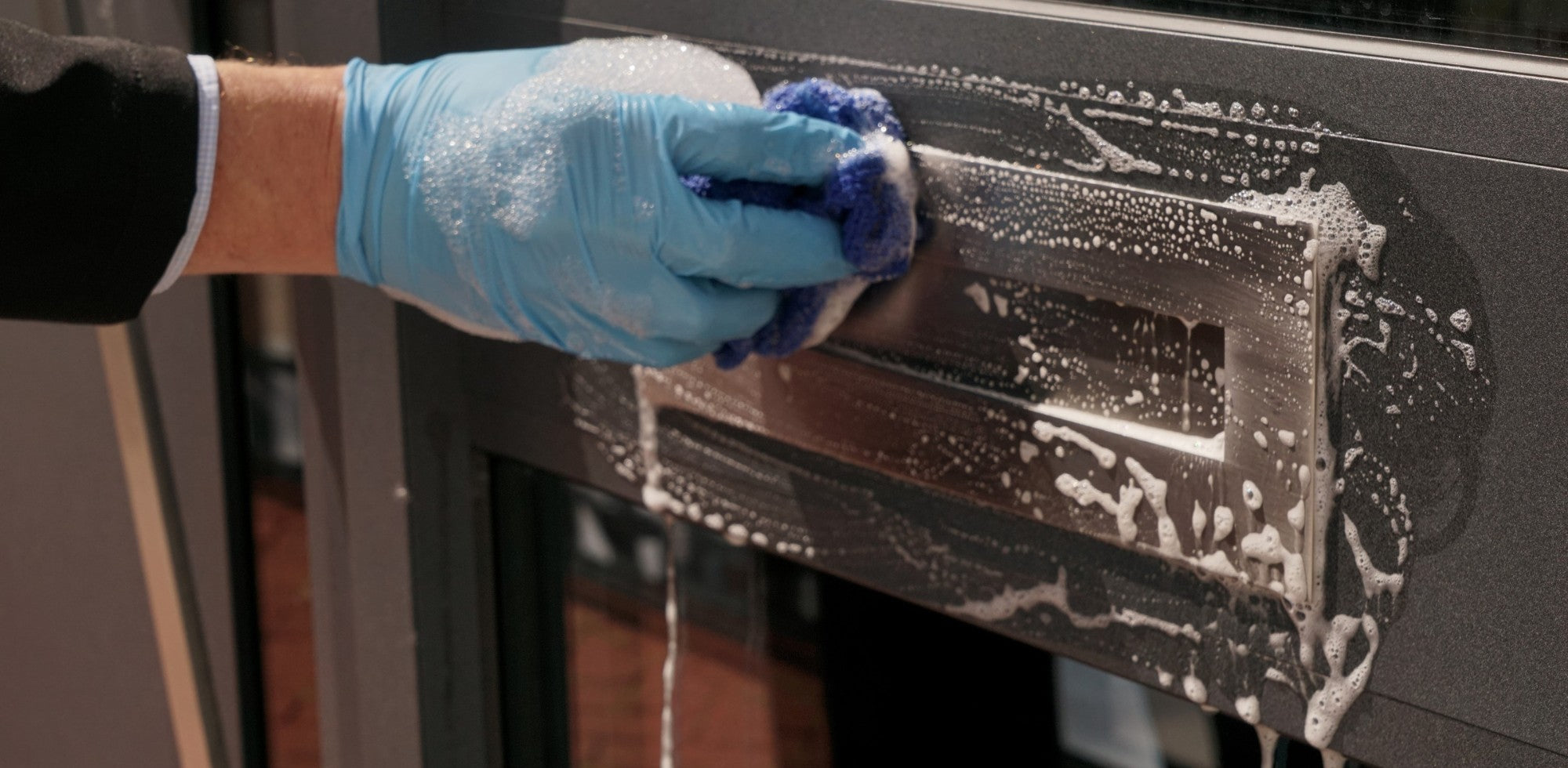
- Cleaning stainless steel hardware
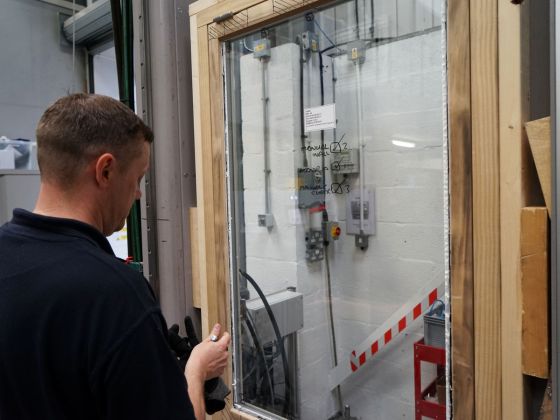
- Maintaining cylinders and locks
- General hardware maintenance tips
Caring for your
Stainless Steel Door & Window Hardware
Caring for your
Door Handles, Cylinders & Locks
How to prevent
Sticking & Jamming Keys

View & Download Care Guides
Access detailed maintenance instructions for our door and window hardware ranges, including recommended cleaning methods, maintenance intervals and finish-specific guidance.
A Selection of
Care & Maintenance Guides to Download



Different Finishes, Different Requirements
While all hardware benefits from regular cleaning, each finish has its own care requirements.
316 Marine Grade Stainless Steel
Routine cleaning removes contaminants and helps maintain the finish, particularly in coastal environments.
PVD Finishes
Highly durable and resistant to wear. Clean using a soft cloth and mild detergent to preserve the finish.
Black Finishes
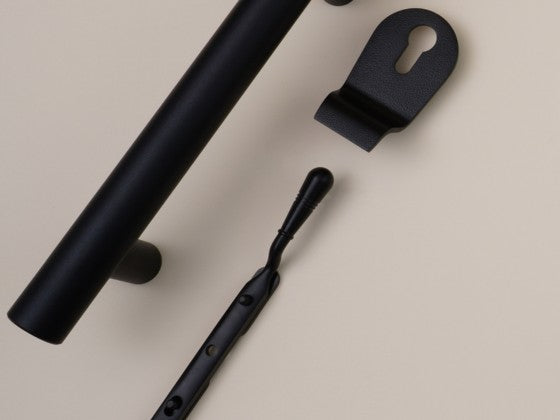
Use non-abrasive cleaning methods to maintain the appearance of coated surfaces and avoid scratching.
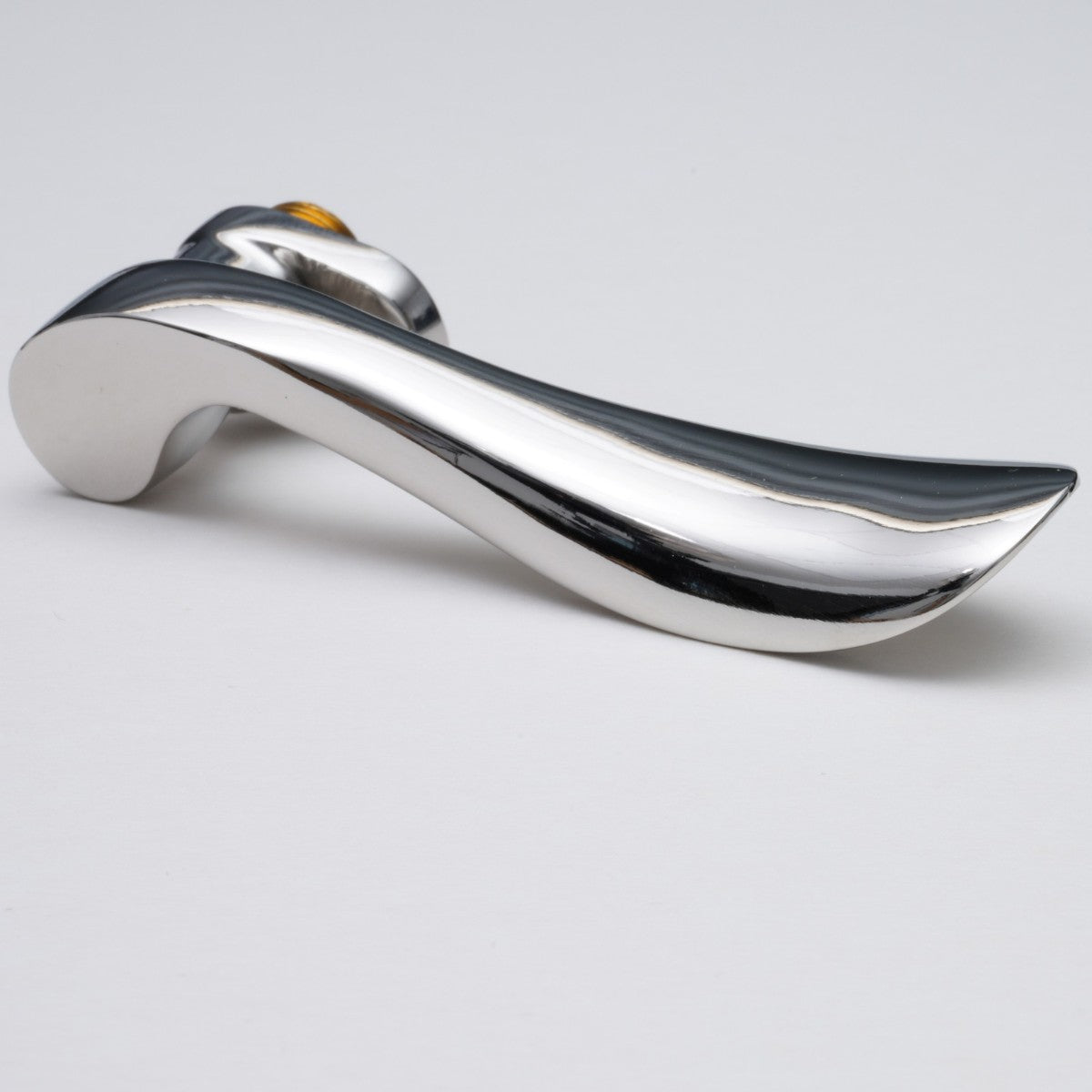
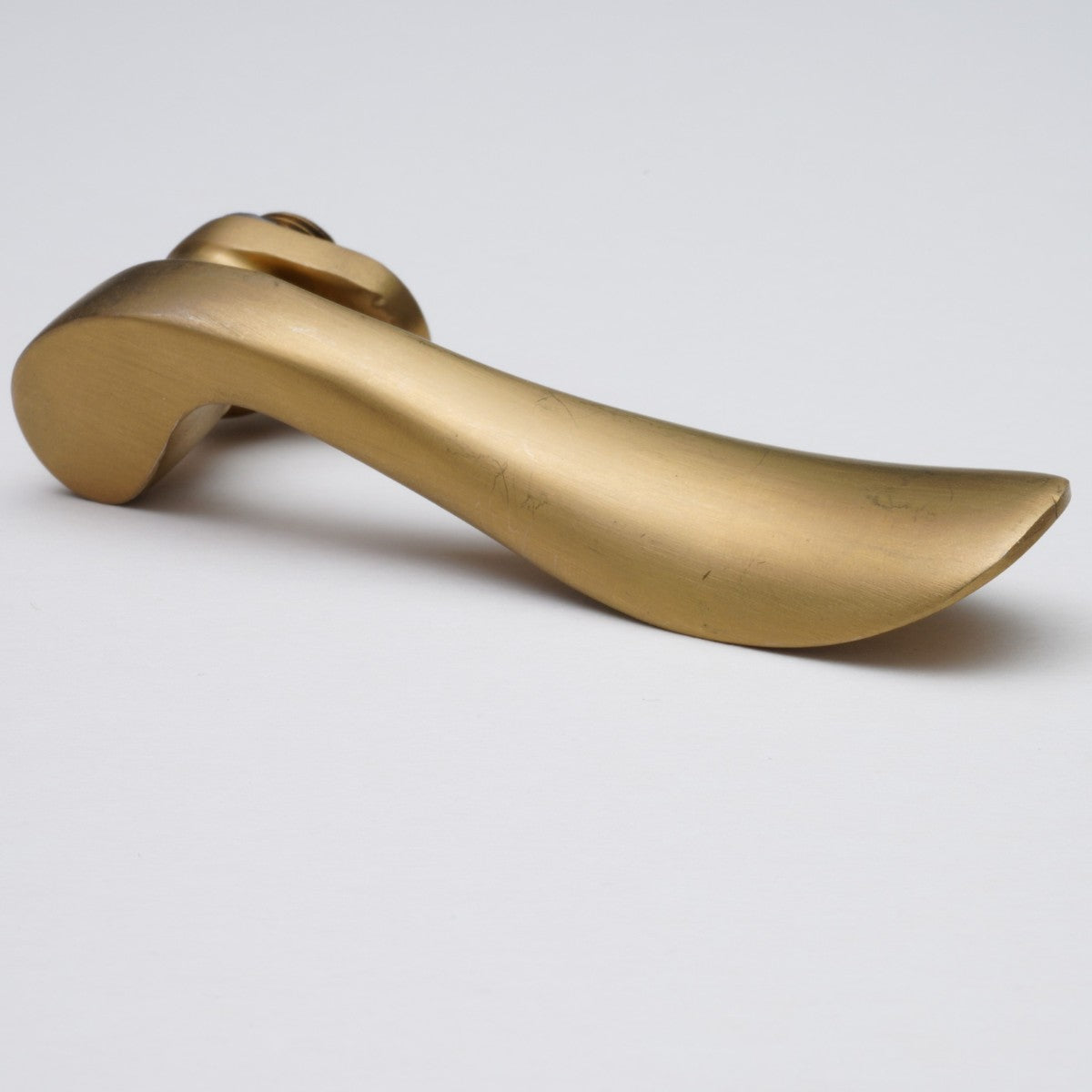
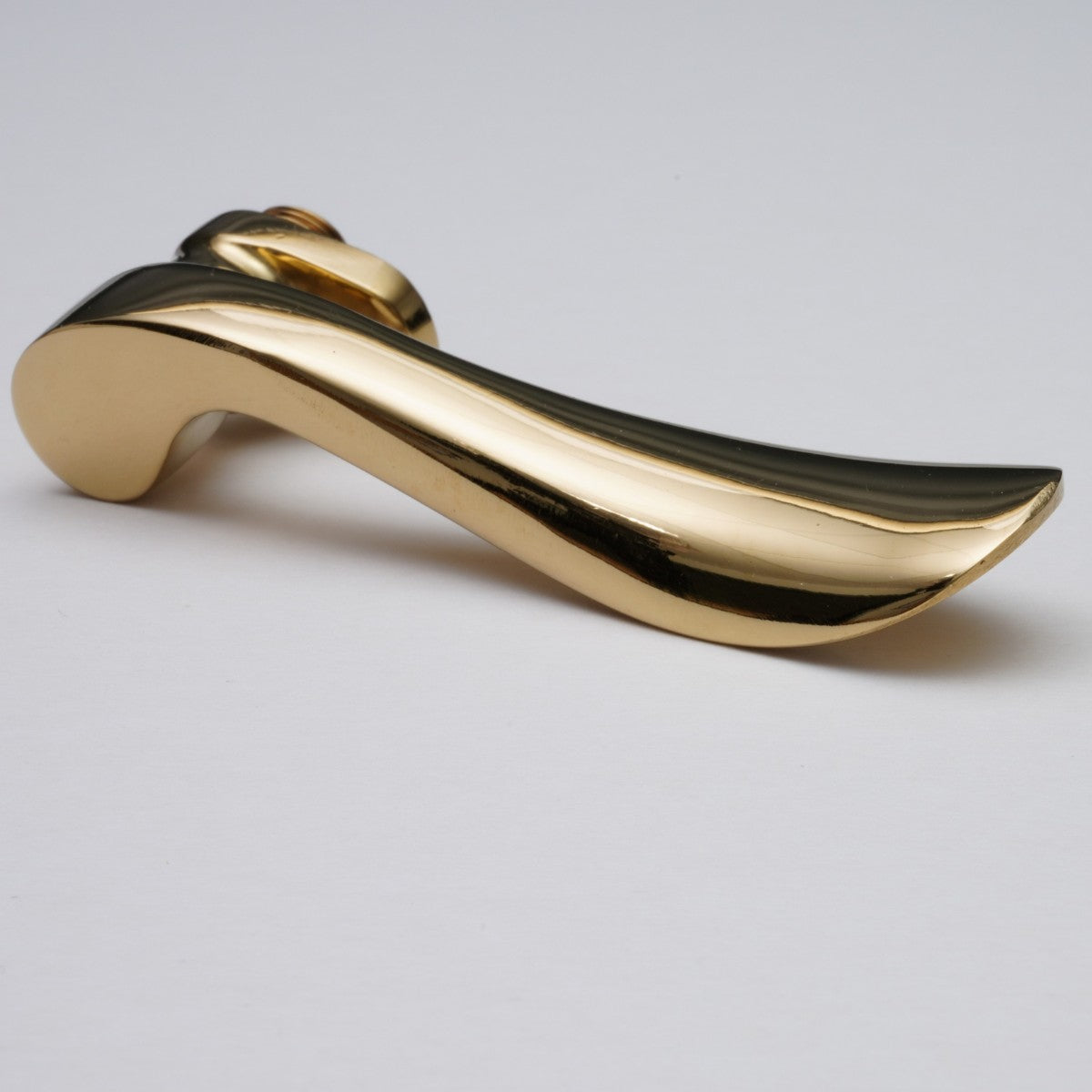
Click the different finishes below to view individual care guidance.

FAQs
Maintenance frequency depends on the environment.
Standard exterior environments: Clean every 1–3 months to remove environmental grime and help prevent the build-up of contaminants that can cause tea staining.
Harsh environments: Clean monthly if the property is located near the coast, in industrial areas, or in high-use commercial environments where airborne contaminants are more prevalent.
For routine cleaning, wash the hardware with warm water and a mild detergent using a soft cloth. Rinse thoroughly with clean water and dry with a soft, clean cloth. For added protection, invest in an appropriate care kit.
Avoid abrasive pads, wire wool or harsh cleaning products, as these can damage the finish and reduce long-term performance.
No. Bleach, chlorine-based cleaners and other harsh chemicals should never be used on door or window hardware. These products can damage protective finishes and may lead to corrosion or discolouration over time.
Tea staining is a surface discolouration that can occasionally appear on stainless steel hardware, particularly in coastal or polluted environments. It is caused by contaminants building up on the surface rather than the stainless steel itself rusting.
Regular cleaning (download our easy to use guide here) is the most effective way to prevent tea staining from occurring.
Stiff handles can be caused by dirt build-up, lack of maintenance, door movement, misalignment of the lock mechanism or general wear within the door system.
Check that the door closes correctly and that all moving parts are clean and operating freely. If the problem persists, contact your installer or hardware supplier for further advice.
A squeaking handle is often a sign that maintenance is required. Dirt, dust or wear within the moving components can cause noise during operation.
Cleaning the hardware and checking that the door and lock mechanism are correctly aligned will often resolve the issue.
Yes. Door handles should be checked periodically to ensure fixing screws remain secure. Loose handles can lead to increased wear on the hardware and affect operation over time.
Always follow the manufacturer's fitting instructions when adjusting or tightening hardware.
Yes. Coastal environments expose hardware to higher levels of airborne salt, which can accelerate the build-up of contaminants on the surface.
We recommend monthly cleaning and regular inspections to keep the hardware performing and looking its best.
Regular cleaning, prompt removal of dirt and salt deposits, periodic inspection of fixings and following the recommended care instructions for your finish will help maximise the appearance and lifespan of your hardware.
You can download our care guides and watch maintenance videos on this page. If you need further assistance, our technical team will be happy to help.