
In a world of perfectly uniform finishes and mass-produced hardware, more designers, joiners and homeowners are rediscovering the appeal of materials that age naturally over time.
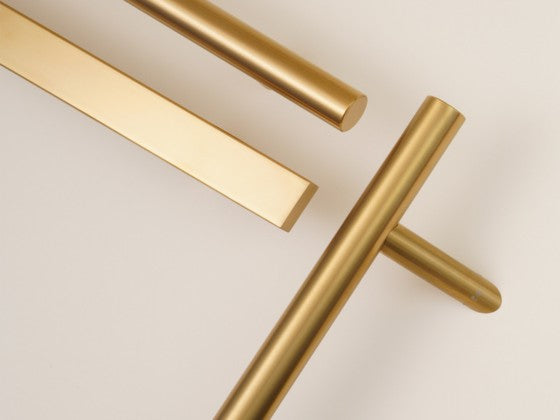
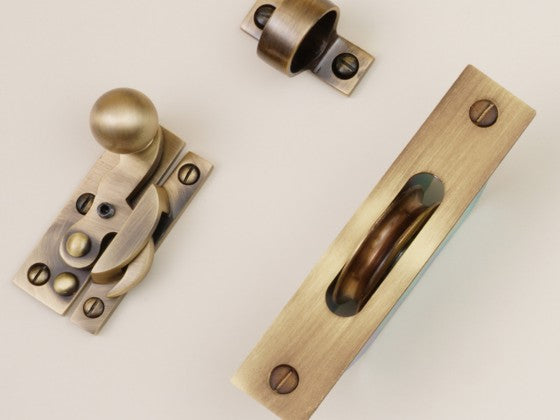
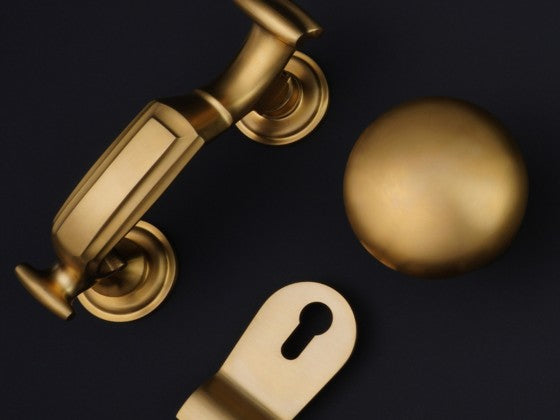
At Coastal, we celebrate this trend through EDWIN, our living brass range. It's a finish that gains character rather than losing it – and one of the most distinctive examples of a material built to evolve rather than resist change.

Sealed vs Living Brass
When choosing brass hardware, there are two very different approaches to achieving the finish.
Sealed Finishes (Lacquered)
Sealed or lacquered brass finishes are designed to maintain a consistent appearance with minimal visual change over time. The protective coating helps preserve the original colour and shine, keeping it uniform, but it can chip and peel with use.
Unlacquered Brass (Living Brass)
Living brass, like EDWIN, is left unlacquered, allowing the material to age and develop patina naturally. Rather than resisting change, the finish embraces it - deepening in tone, softening in sheen, and developing variations that reflect its surroundings and use. No two pieces will ever age in exactly the same way.

How Living Brass Wears
With regular use, brass develops distinctive wear patterns that enhance its visual depth and authenticity. Typical characteristics include:
- Raised surfaces becoming lighter first
- Edges and corners gradually brightening
- Frequently touched areas developing a gentle sheen
- Increasing contrast between darker recesses and polished highlights
These changes create the rich, layered appearance often associated with heritage architecture, fine craftsmanship and well-loved spaces.

Understanding the Darkened Brass Finish
Many darkened brass finishes, including EDWIN's, are created through a controlled patination process. This surface treatment produces rich, dark tones while allowing the material beneath to remain visible over time - rather than a flaw or deterioration, it's a mark of authenticity that tells a story.
As the hardware is handled:
- High-contact areas gradually become polished
- The underlying brass begins to emerge
- Touch points develop warm metallic highlights
- Protected recesses retain their darker tones
Rather than wearing uniformly, the finish develops naturally, creating a unique visual record of use. This is why aged brass door furniture often displays lighter edges, softened contours and polished touch points, while retaining depth and richness in less exposed areas.
What Influences Patina?
The development of patina is shaped by both a product's environment and how people use it.
Humidity & Moisture
Higher levels of moisture can accelerate ageing, particularly in kitchens, bathrooms and coastal properties.

Air Quality
Pollutants and airborne compounds can deepen colour and create richer finishes over time.

Touch & Use
Natural oils from hands create areas of contrast, warmth and burnishing, particularly on frequently used hardware.

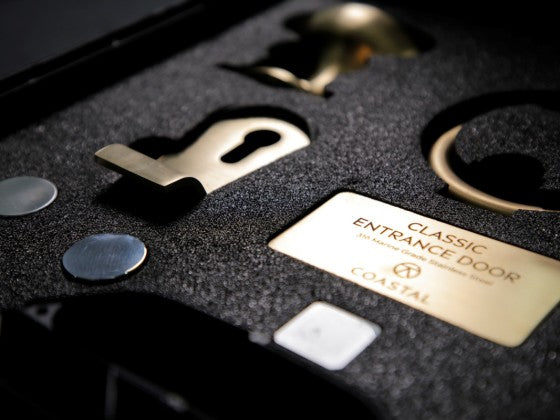
This piece of solid brass hardware has been tested to show repeated wear over time - the centre circle has visibly lightened with repeated contact
Sunlight
Exposure to light encourages subtle oxidation and tonal variation across the surface of the product.
The result is hardware that reflects both place and use, ageing naturally alongside the building itself.
Beauty in Use
Unlike painted or coated finishes, which can deteriorate through chipping or abrasion, a true living brass finish ages with grace. Each interaction contributes to its character, creating a surface that feels authentic. In coastal settings particularly, this natural evolution often enhances the material's appeal, reinforcing the connection between craftsmanship, environment and time.

A Design Perspective
Patina introduces warmth and texture to a space. It softens architectural lines, complements contemporary materials, and brings a sense of permanence that only natural ageing can achieve. In heritage properties, it feels historically correct; in contemporary spaces, it introduces contrast and individuality.
No two pieces will ever develop in exactly the same way - and that individuality is precisely what makes living brass so desirable.
 The EDWIN Approach to Brass
The EDWIN collection has been developed around the beauty of authentic living finishes, with Antique Brass Unlacquered acting as the hero finish of the range.
Rather than using heavily coated or artificial finishes, EDWIN embraces the natural evolution of brass. The result is hardware that not only looks authentic on day one, but continues to develop character for years to come.