



Sliding doors are no longer just a practical way to access the garden – they’ve become a feature that can really transform a property.
Nowhere is this more apparent than in the aluminium systems market, where slim frames, expansive glazed panels and minimalist design are driving a surge in demand for hardware that both performs and complements.
As aluminium sliders grow in popularity for both residential and commercial use, they’re bringing with them new expectations for hardware quality, design, and functionality.

Key Trends Shaping the Market
1. Larger Sliding Doors Need Smarter Hardware
Aluminium systems allow for taller, wider, and heavier doors than ever before. That means handles and locking mechanisms must be engineered for structural strength and smooth operation under heavier loads - without compromising on looks.
2. A Move Toward Minimalism
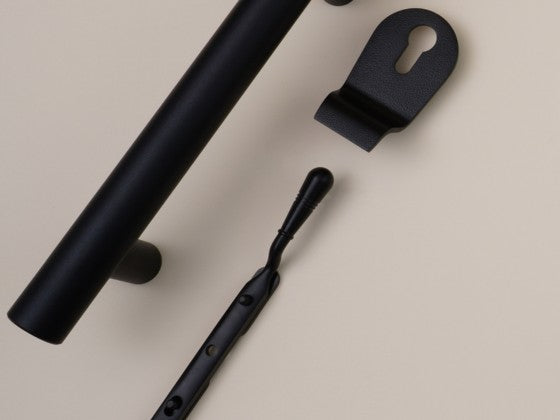
Clean lines and ultra-slim frames are a major trend. Homeowners and architects increasingly want hardware that’s subtle and modern, avoiding bulky handles or visible fixings that disrupt the flow of the door design.

3. Finish Consistency Across the Home
With more hardware choices than ever, there’s growing demand for coordinated finishes across all windows and doors – not just sliders. Suited hardware collections are becoming the norm, helping deliver a more unified look throughout the property.
4. A Rise in Coastal and Exposed Projects

Whether it’s a coastal build or a high-rise apartment, many aluminium sliding doors are now installed in challenging environments with corrosive sea air or inner city pollution.
That’s fuelling demand for durable, corrosion-resistant materials like marine-grade stainless steel – especially for outside handles.
5. Sustainability and Longevity
There’s increasing focus on products that last longer, reduce waste, and offer better lifecycle value. Hardware is no exception.
Installers and specifiers are placing more emphasis on robust warranties, proven materials, and UK-made components that support long-term performance.
6. Smarter Locking Options

Many modern sliders now integrate multi-point or cylinder locking systems. This has driven innovation in handle design, with hardware needing to be both stylish and compatible with more secure locking setups.
7. Ease of Installation is Crucial
Installers want systems that are simple to fit and adjust, especially when time on site is limited.
Handles and kits that are purpose-designed for aluminium systems, with secret fixings and adaptable sizing, are therefore increasingly popular.
8. Bespoke Requirements for High-End Projects
Architects and developers working on high-end homes and commercial properties are seeking custom finishes, special handle lengths or tailored kits that suit specific aluminium systems. Flexibility and short lead times are key.
9. Blending Indoors and Out

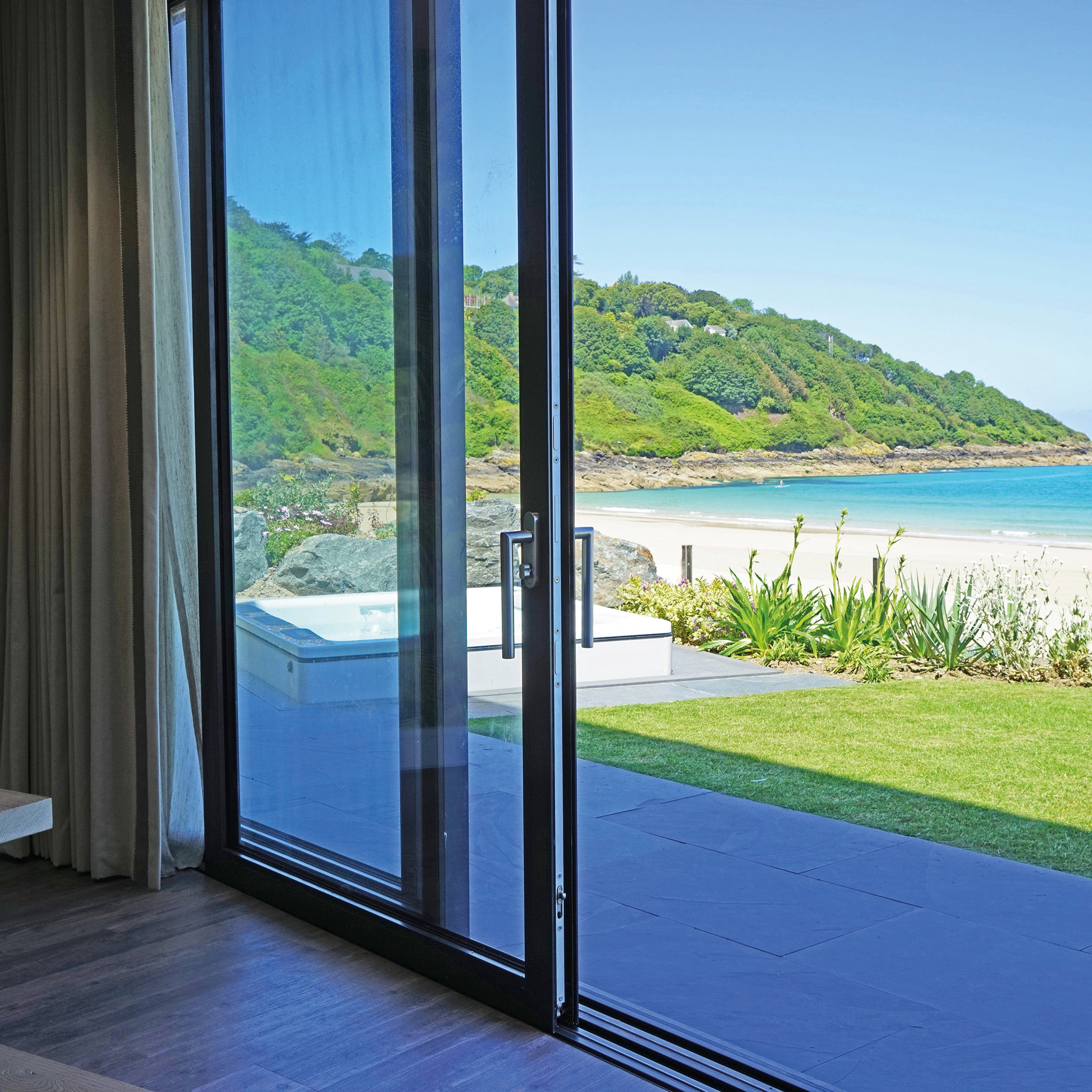
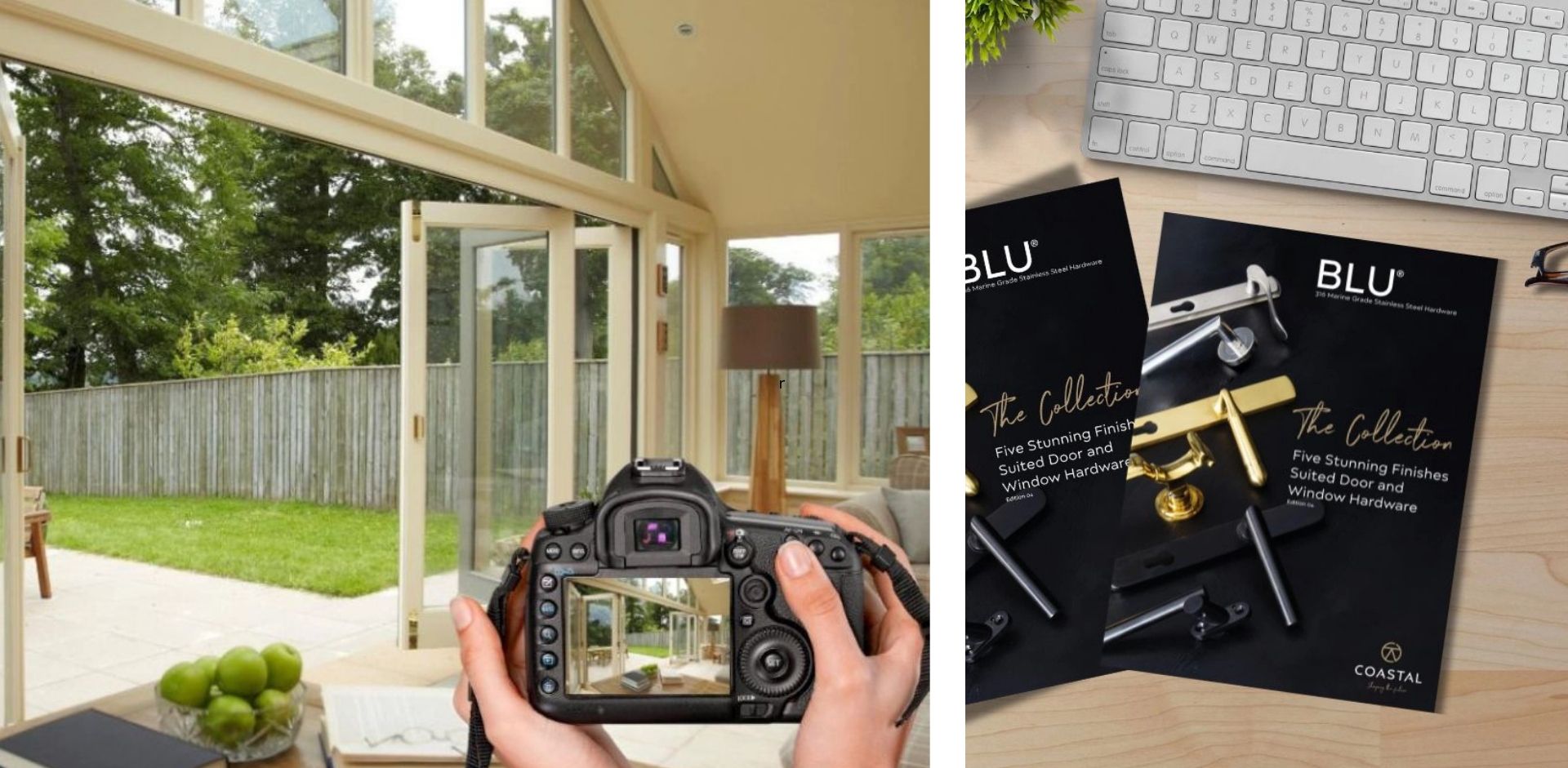
Aluminium sliders often lead to gardens, terraces, or balconies. People want a smooth flow between indoors and outdoors, so hardware needs to feel good to use and look great.
Responding to the Trend
As hardware becomes more integral to the design and performance of aluminium sliding doors, manufacturers and suppliers are stepping up. Many now offer dedicated product lines for aluminium systems – with multiple styles, finishes and performance options tailored specifically to meet the needs of modern builds.
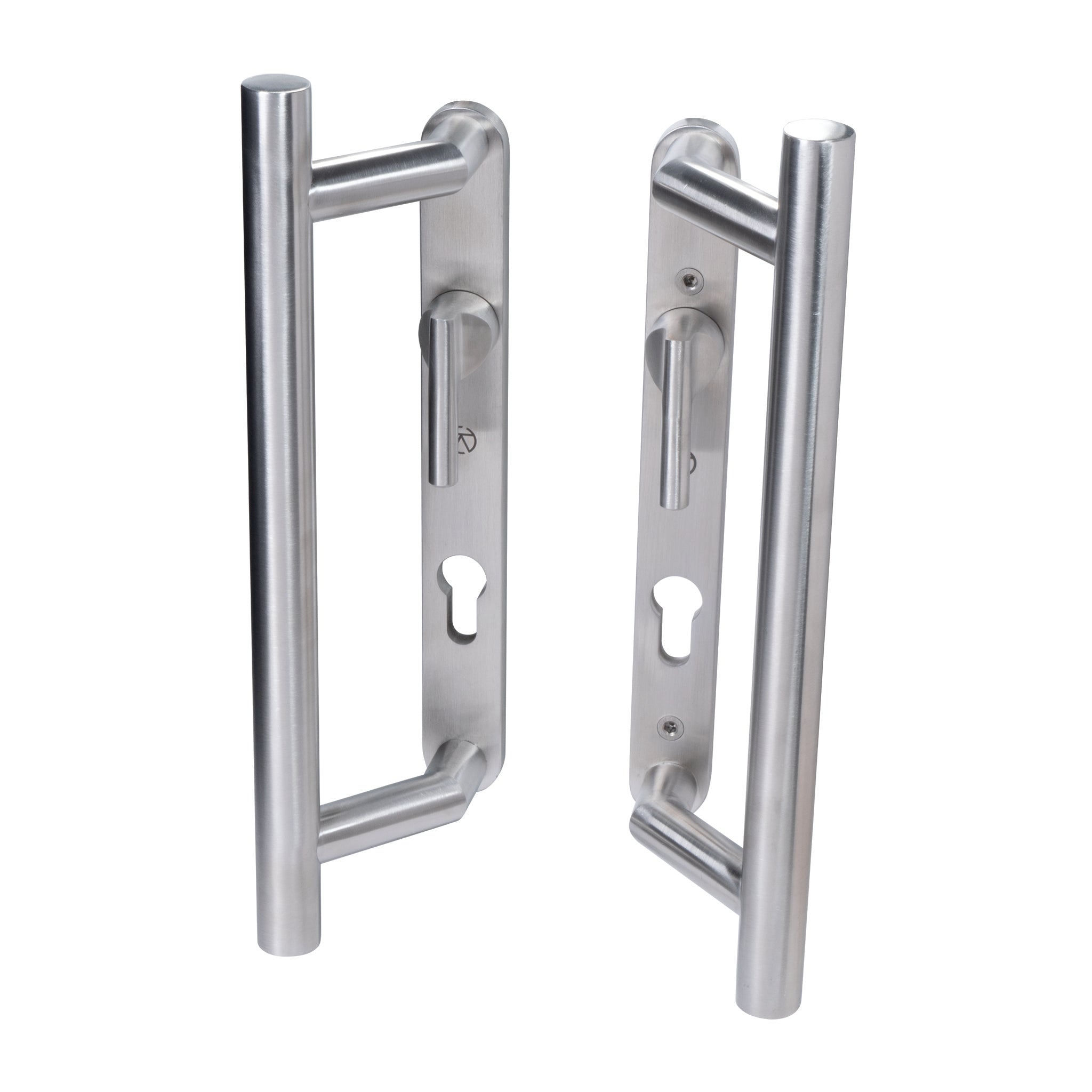
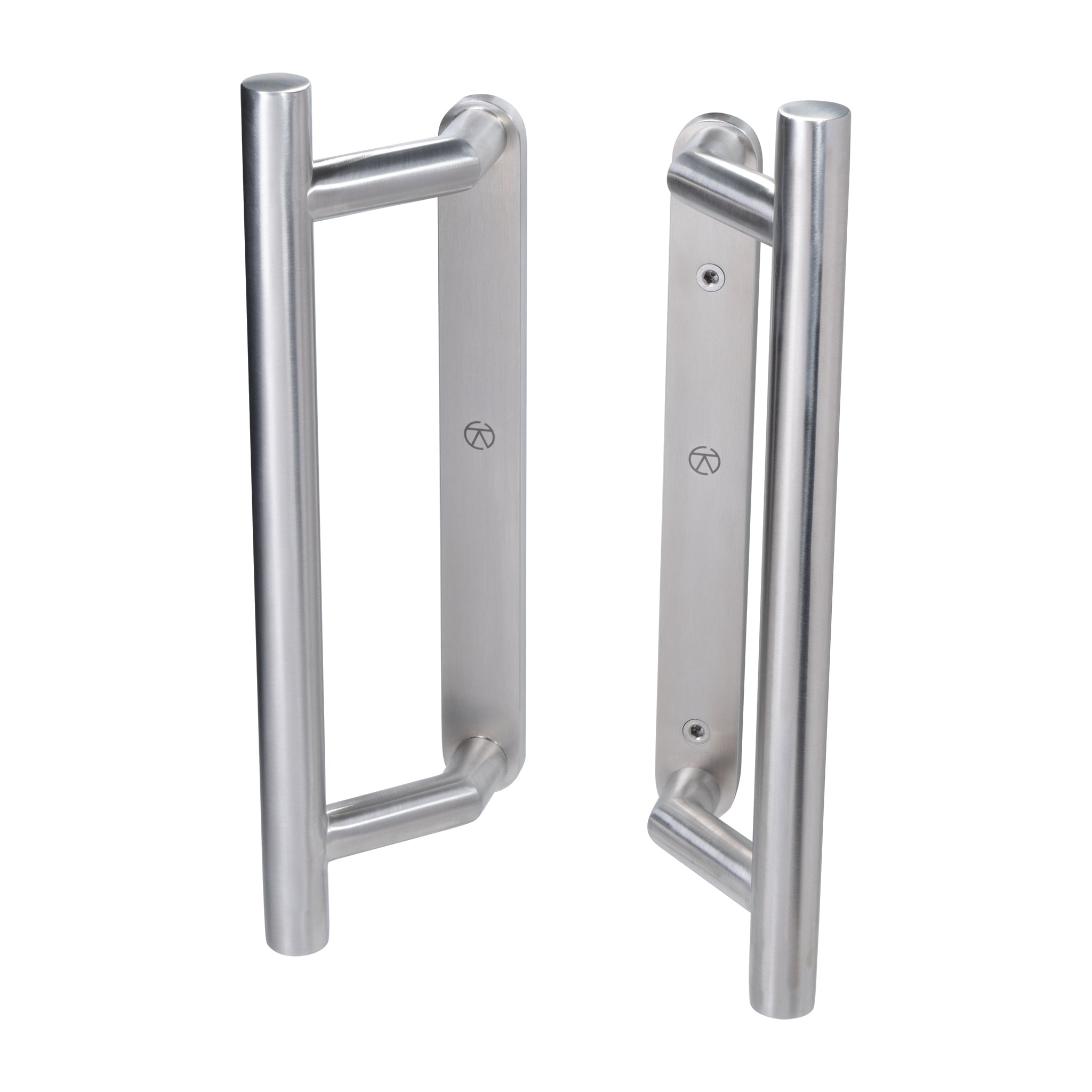
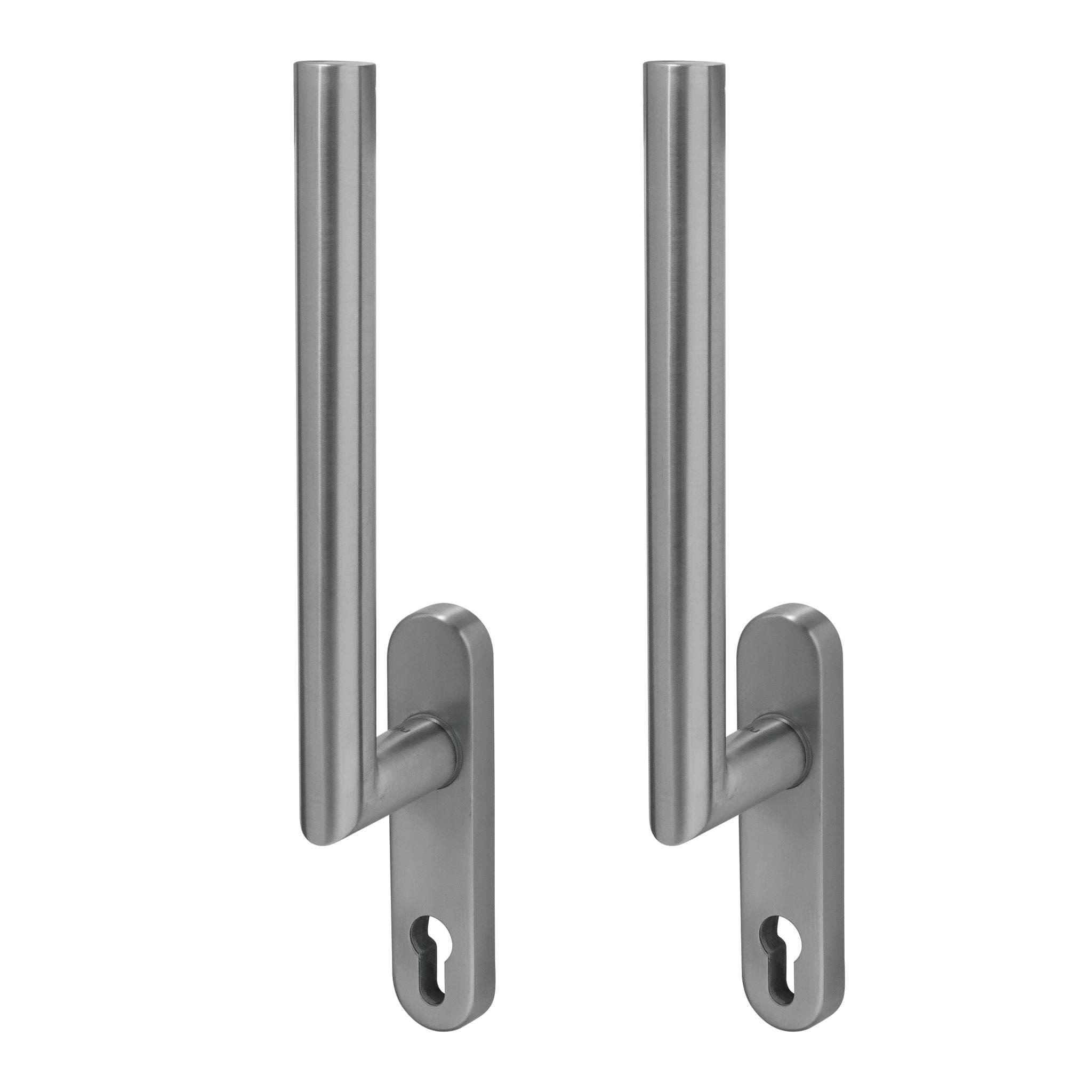
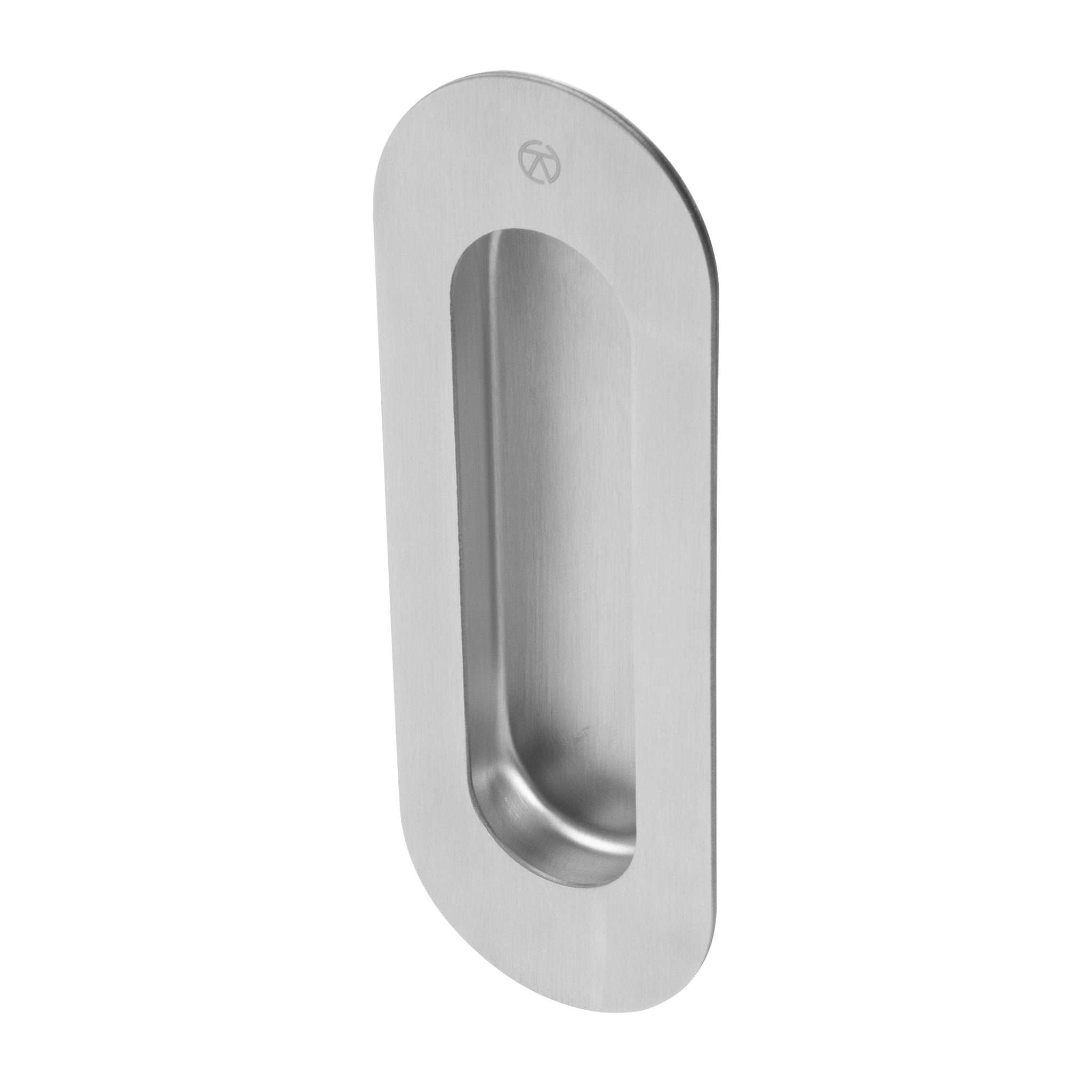
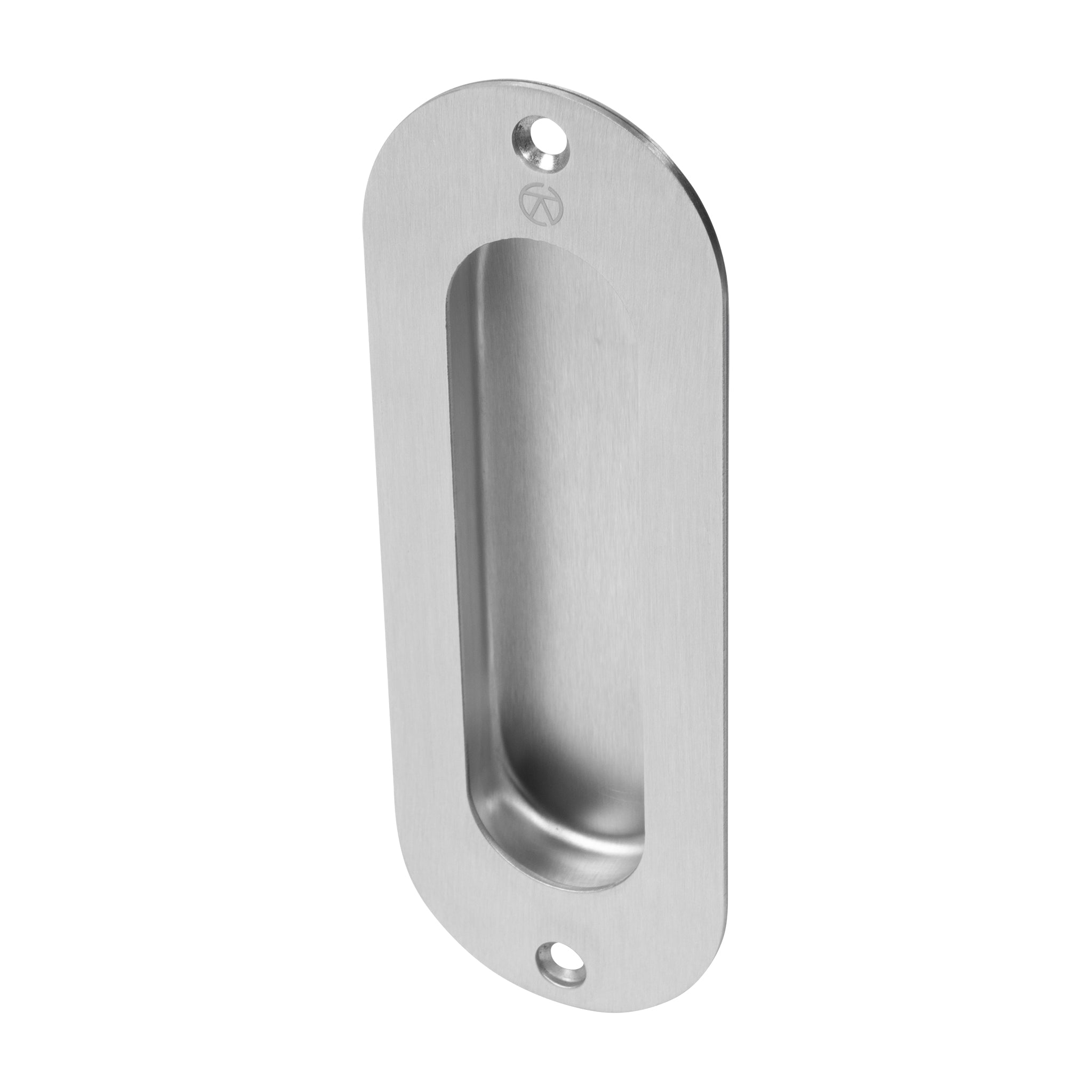
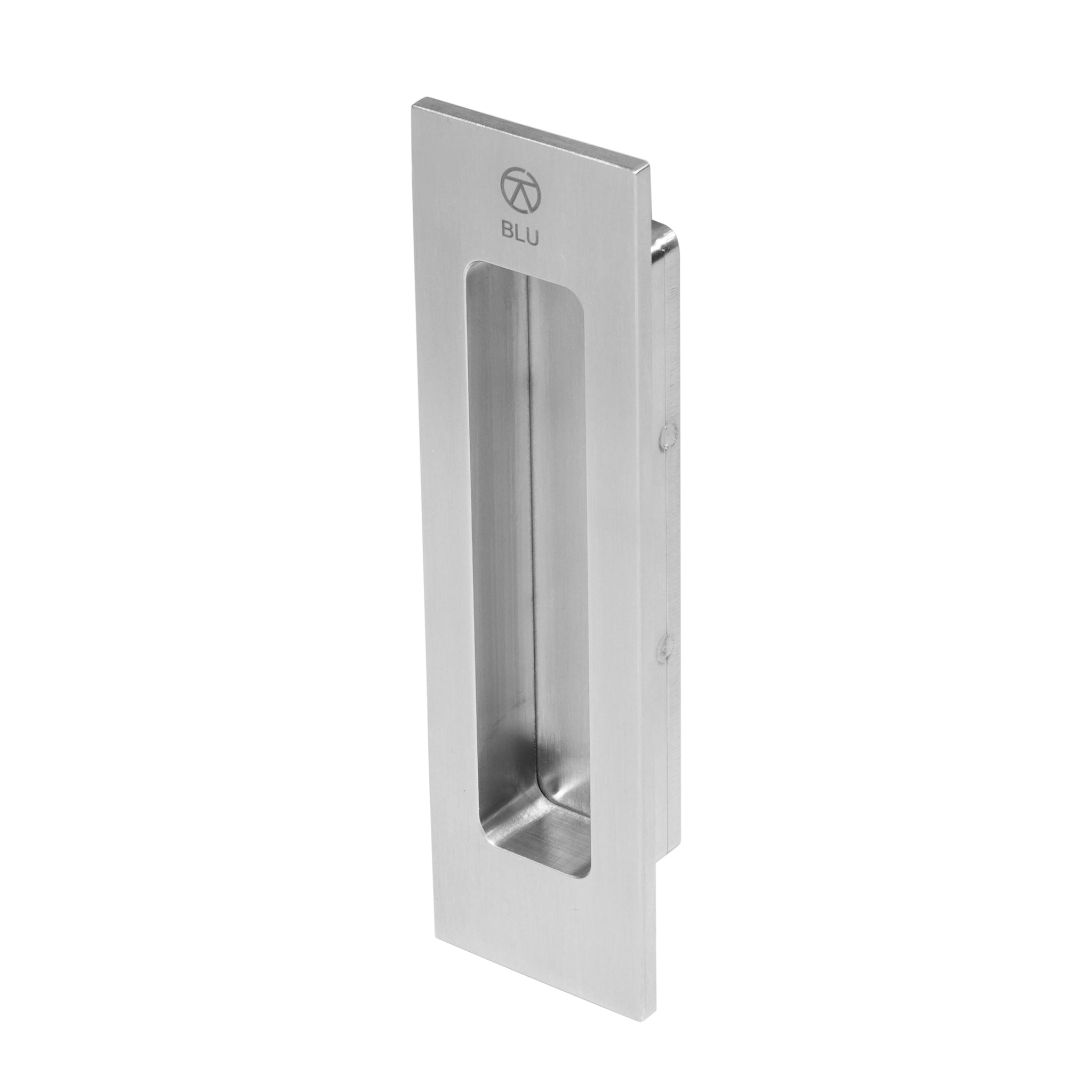
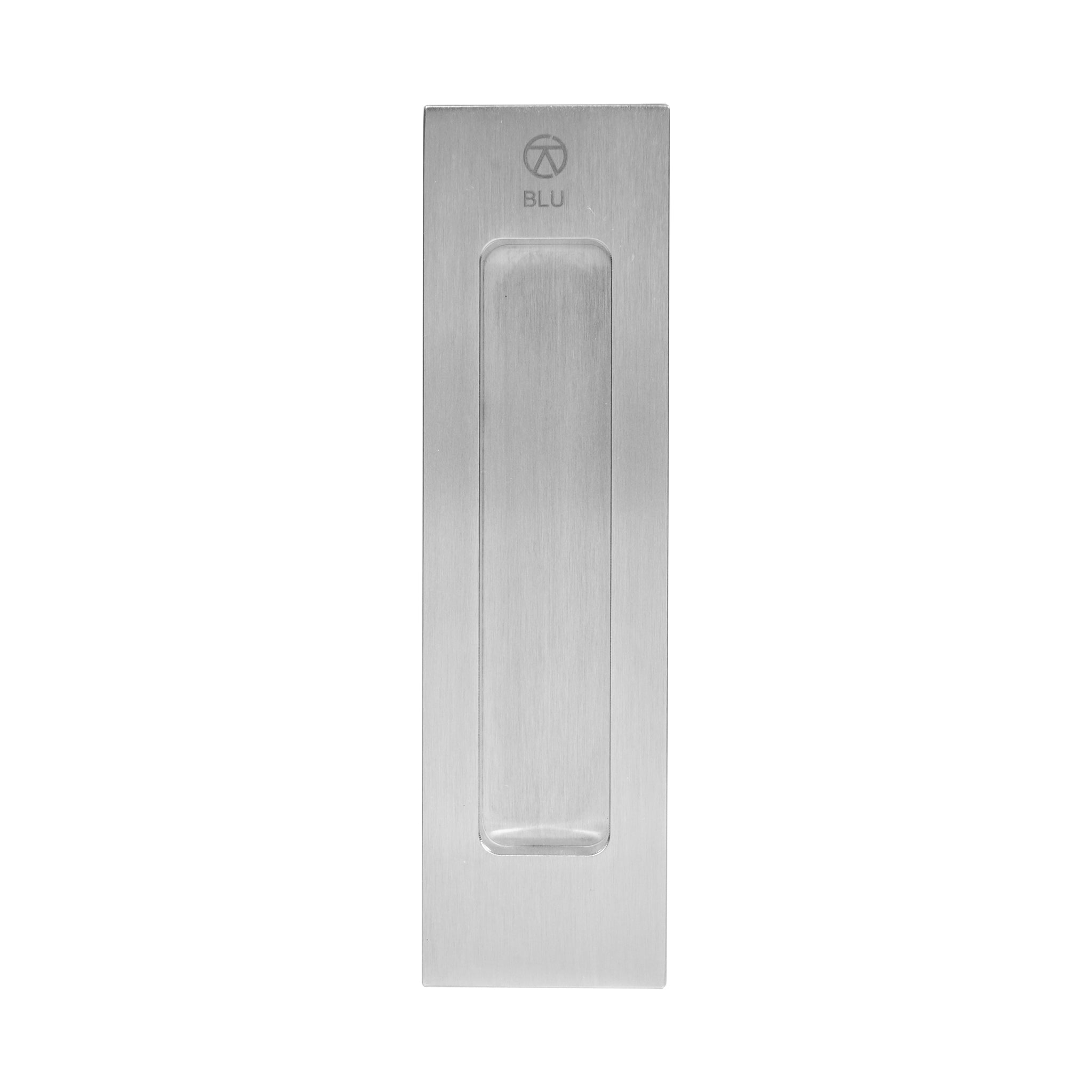
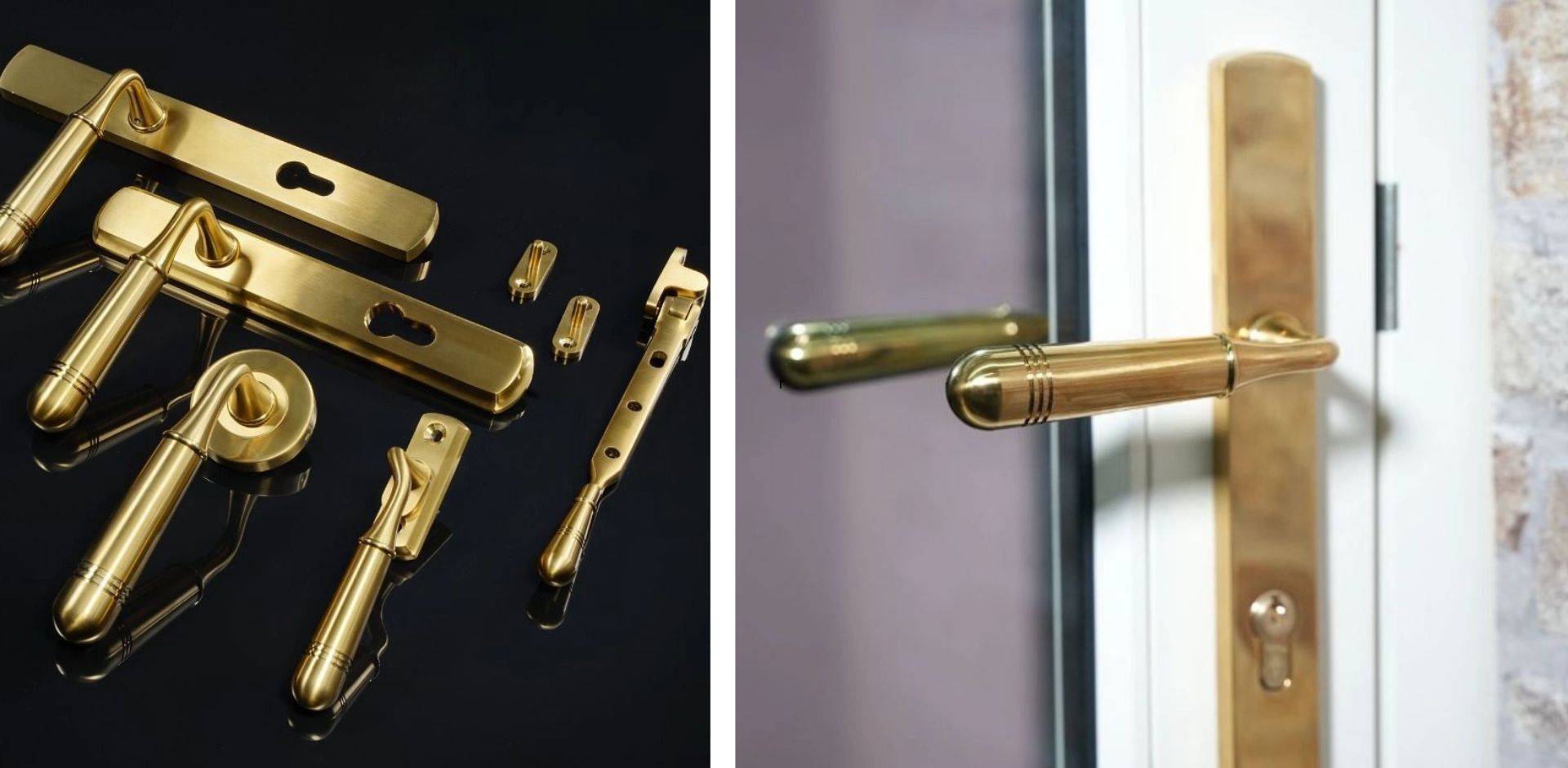
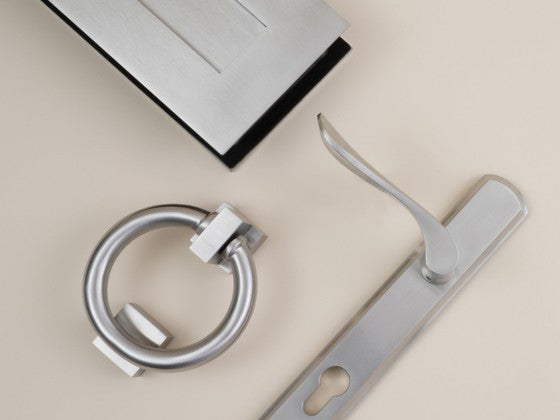
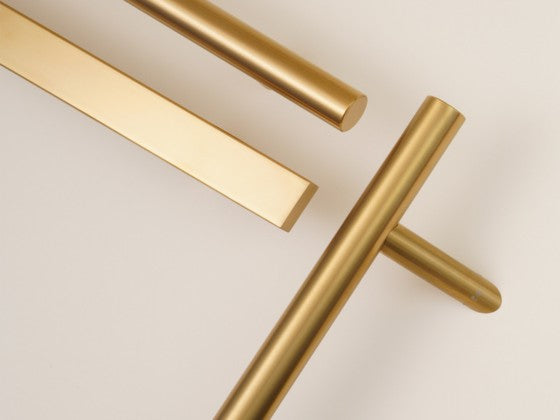
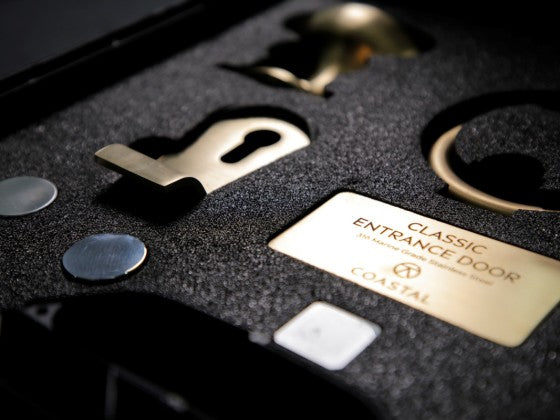
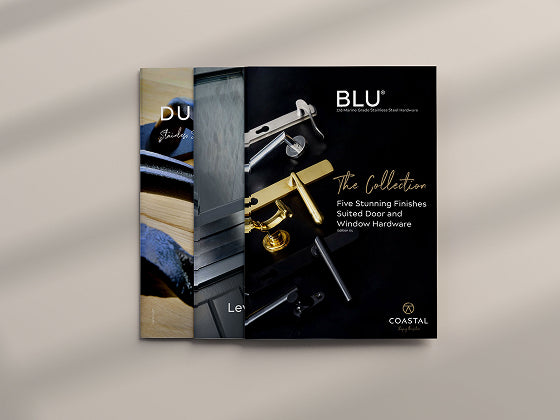
One example is Coastal Group’s suited sliding door hardware collection, which includes three handle types, a wide range of finishes, and components made from 316 marine-grade stainless steel for long-term reliability.
As the sliding door market grows, the design-driven, aluminium systems continue to dominate. Demand for premium, durable, minimalist hardware is only increasing.
316 stainless steel handles from Coastal Group provide:
• Long-term performance
• A modern unified look
• Peace of mind for clients and specifiers.
From seaside builds to urban apartments, the right sliding door handle brings strength, style, and reliability together.