



Living in the UK means dealing with challenging weather conditions: rain, wind, and extreme temperatures all year round. These elements put hardware under constant strain, testing its durability and performance every day.
Salty coastal air can cause metal to rust up to five times faster than areas inland, and over 40% of door and window hardware failures are caused by corrosion and lack of maintenance.
“40% of door and window hardware failures are caused by corrosion and lack of maintenance”
Stuck locks and seized hinges result in nearly 30,000 locksmith callouts every winter in the UK. Additionally, around 25% of door failures are linked to worn or damaged hardware.
“25% of door failures are linked to worn or damaged hardware”
Weatherproofing your hardware can reduce these issues by 60%, saving time and cutting down on costly callouts.

Why weatherproof your hardware?
Prevent Corrosion: Moisture and salty sea air can cause rust and corrosion, especially on iron and steel hardware.
Maintain Functionality: Changes in temperature can cause swelling and problems with usability.
Preserves Colour: Hardware can discolour over time, with rust impacting appearance and functionality.
Top Tips for Weather Proofing Hardware
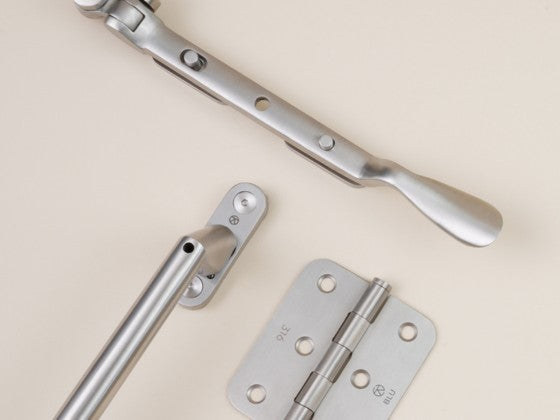
Choose the Right Materials: 316 Marine- Grade Stainless Steel:
Built for tough environments, 316 stainless steel has added protection against rust. Containing a material called molybdenum, it's more resistant to pitting and crevice corrosion.
Its strength and corrosion resistance make it ideal for outdoor hardware which is exposed to salt, moisture, and tough weather conditions.

Keep up Regular Maintenance:
Even the best hardware needs regular care – especially in exposed or coastal environments.
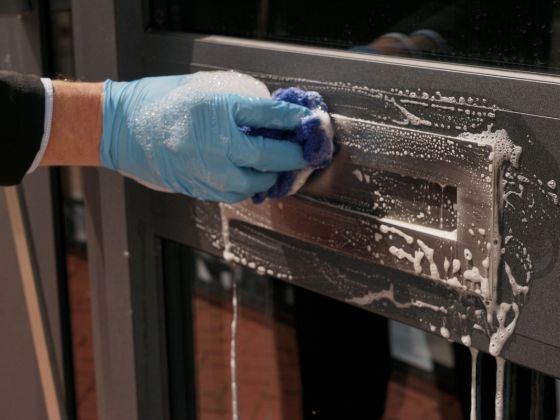
Clean Hardware every 3-6 months:
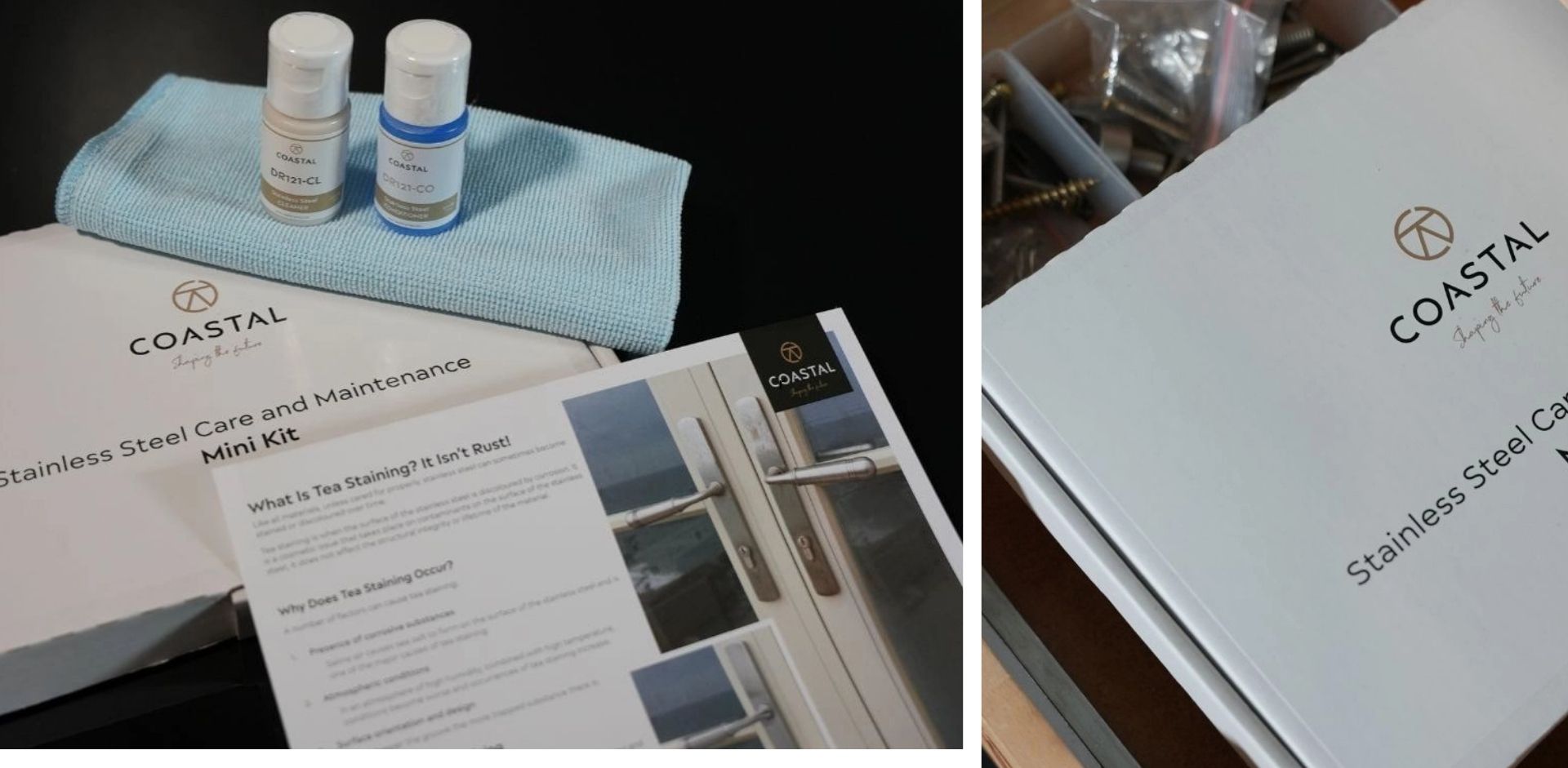
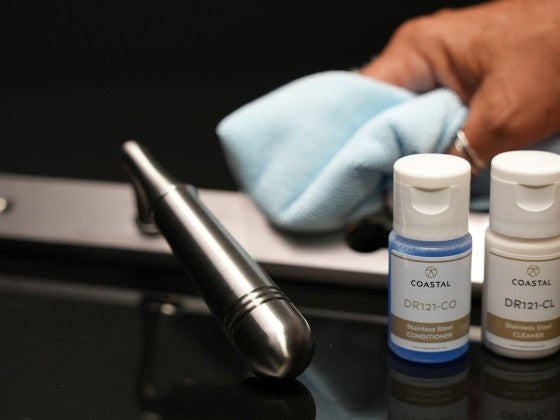
Use warm soapy water and a soft cloth to remove salt, grime and environmental build-up. Avoid abrasive cleaners or wire brushes, as they can damage the hardware finish and accelerate corrosion. Always clean in the direction of the finish grain.

Lubricate Moving Parts:
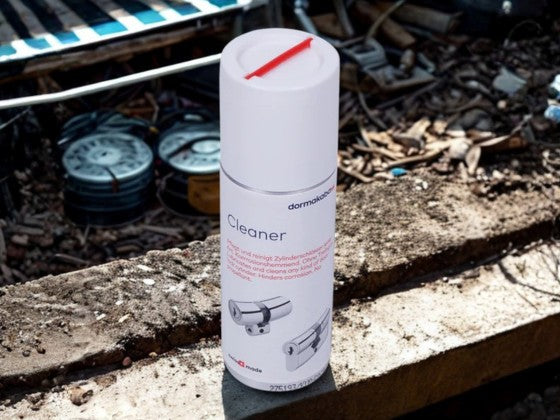
Apply a light lubricant to hinges, locks and handles to keep them operating smoothly and to prevent moisture from getting into joints.
Inspect for Early Signs of Wear:
Look out for rust, small holes (pitting), or parts that are hard to move. Catching these problems early means they’re easier to fix before they get worse.
Regular maintenance helps your hardware last longer, keeps it looking good, and working properly, saving you time, money, and call-backs.

How hardware is fitted can make a big difference to its lifespan.
Consider additional steps to maximise the lifespan of your door and window hardware.
Use weather seals and protective barriers:
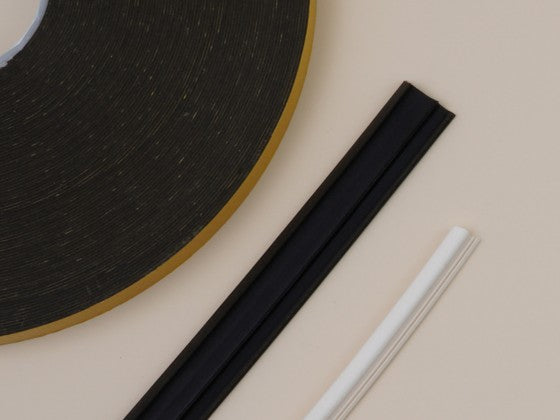
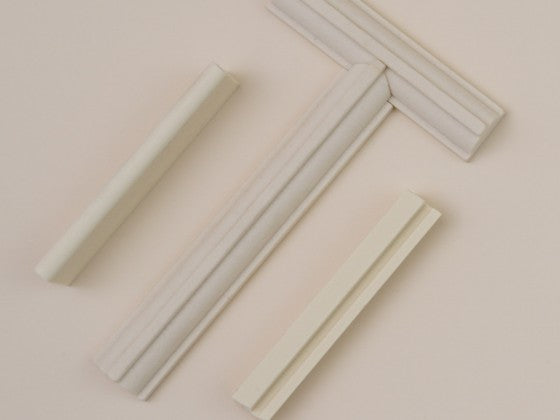
Using strong seals around doors and windows helps prevent water and salt from reaching important hardware parts.
This prevents corrosion and keeps mechanisms working smoothly.
Check and replace worn seals:
Regularly inspect rubber gaskets. Seal and replace any that are cracked, broken or missing.
Avoid direct contact between different metals:
When different materials touch, they can cause galvanic corrosion, which speeds up rusting. Use compatible materials and barriers to prevent this.
Make sure proper alignment happens during installation:

Misaligned hardware can create gaps or stress points where water can get in, causing damage to door or window seals. Ensure hardware is fitted correctly to minimise future problems.
Conclusion
Weatherproofing your door and window hardware is essential to keeping it working properly, especially with the UK’s unpredictable weather.
Start by choosing high-quality materials, such as marine-grade stainless steel, which offer strong resistance to rust and corrosion.
Regular cleaning and maintenance are also key to preventing rust and keeping everything moving smoothly.
Proper installation plays a big part too, helping your hardware last longer and perform better over time.
By taking these simple steps, you can avoid costly repairs and keep your doors and windows looking and working their best for years to come.
Wherever you live, protecting your hardware from the elements is always a smart choice.