
When you're working on a door or window project near the coast, choosing the right grade of stainless steel is one of the most important decisions you will make. It’s not just about appearance - it’s about long-term performance, protecting your work, and preventing callbacks a few winters down the line.
We’ve seen time and time again that using the wrong material can lead to frustration.
Rusted fixings, tea-staining down painted timber, seized hinges - and often, it all comes back to using a lower-grade stainless steel that just wasn’t built for the environment.

What Makes 316 Different?
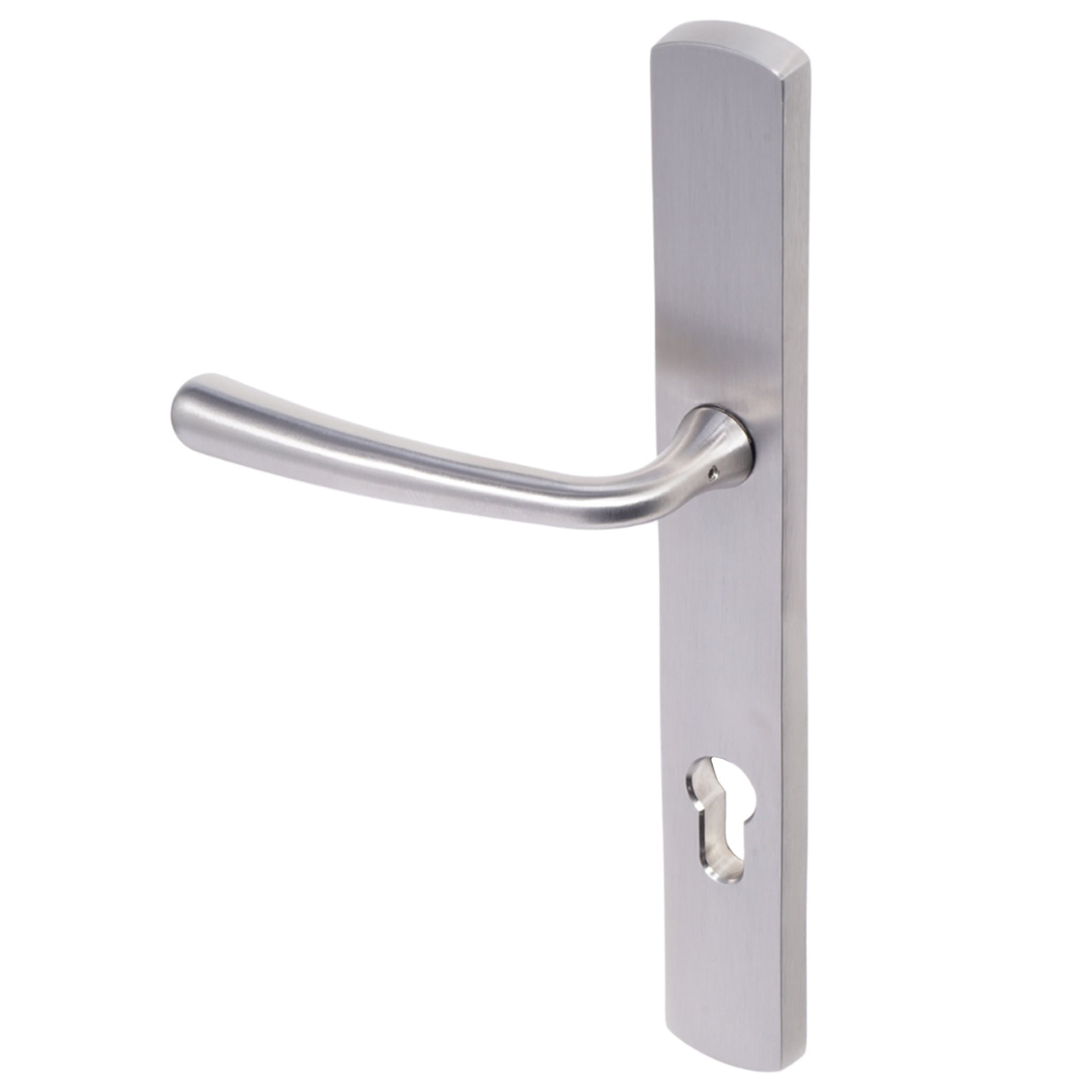
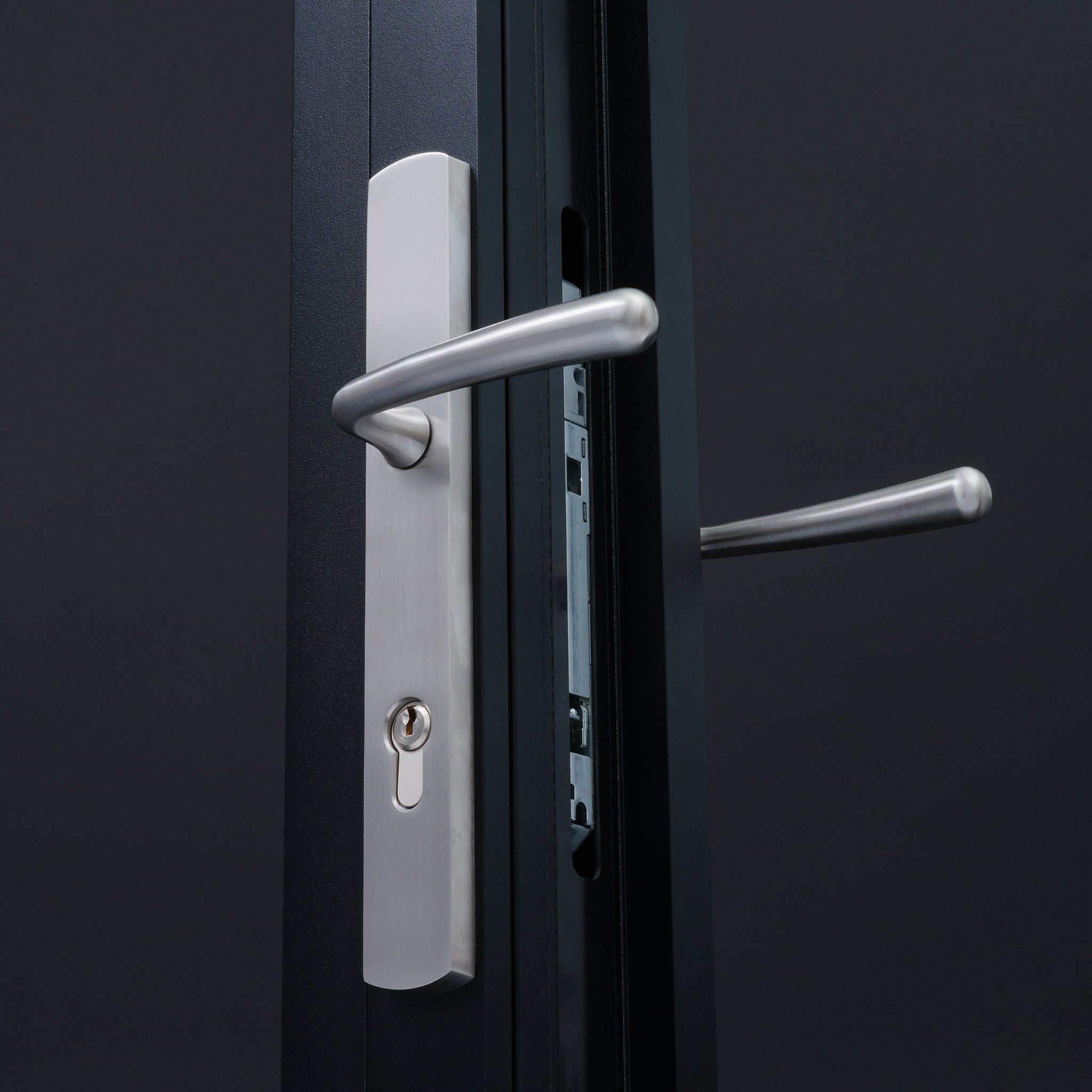
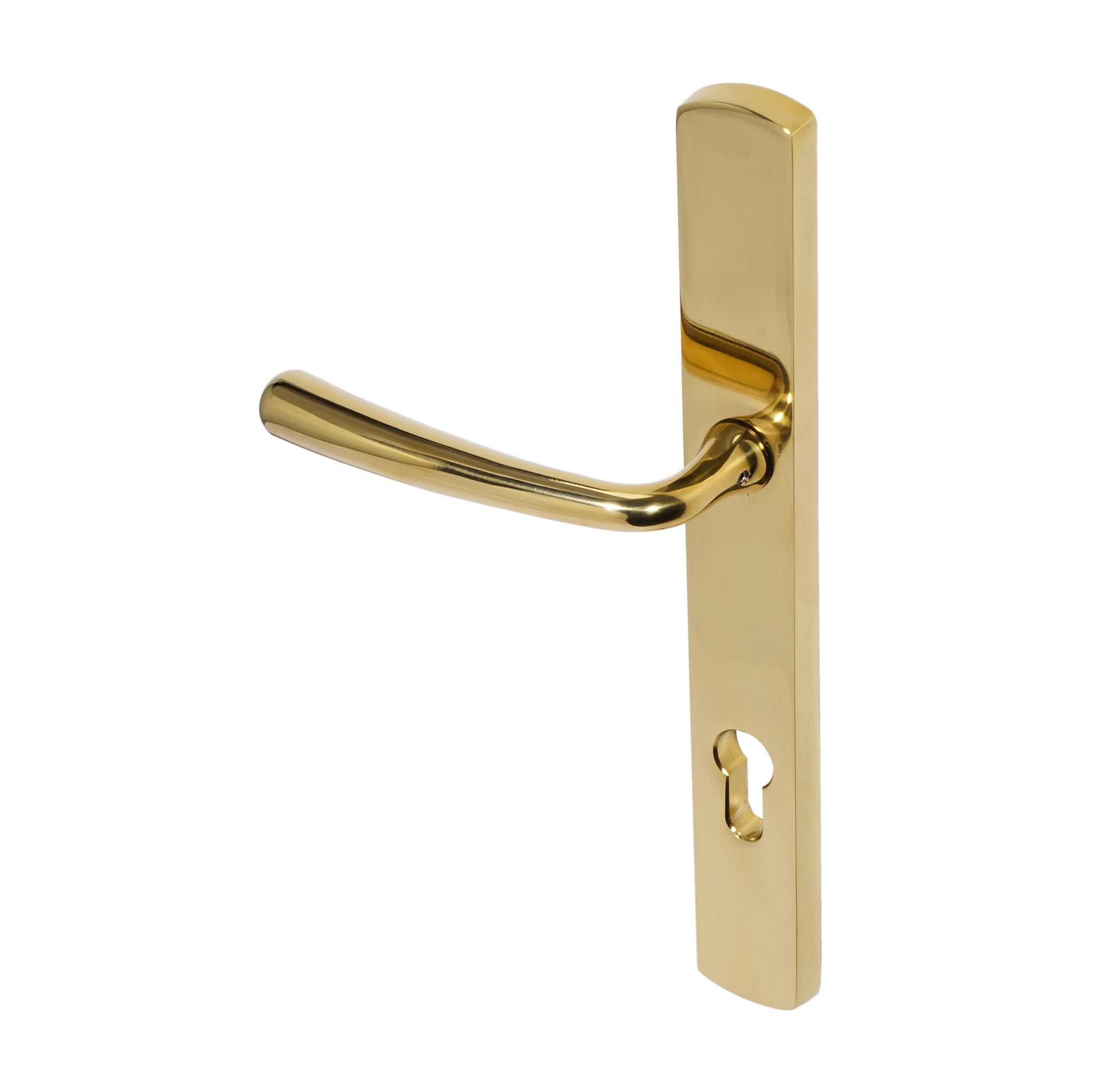
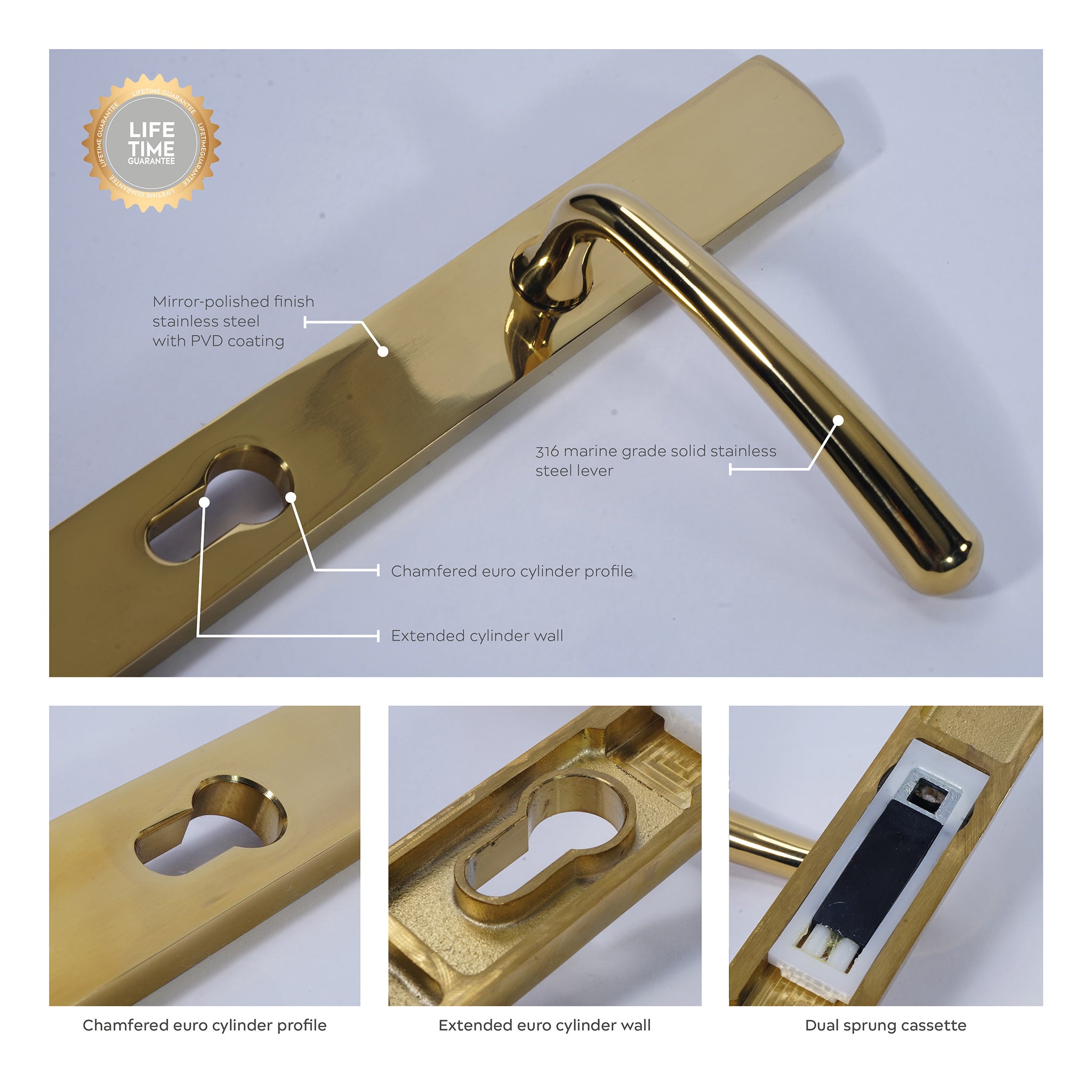
316 marine grade stainless steel is different. It’s made to resist attack from challenging environments such as sea air and urban pollution.
The key ingredient in 316 is molybdenum - an alloying element that gives it superior resistance to corrosion. While standard grades like 304 and 430 contain no molybdenum, 316 has about 2-3%, which makes a big difference.

This means 316 is built to handle the challenges of coastal environments - salty air, wind, rain, moisture, and airborne pollutants.
Thanks to molybdenum, 316 can resist:
• Pitting corrosion caused by salt particles in the air
• Tea-staining, which often shows up after just one winter near the coast
• Crevice corrosion, where moisture sits in fixings or seams
• Industrial pollution and acidic rain
• Surface damage

Why It Matters for Your Project
If you’re investing in high-quality doors - whether timber, composite, aluminium or Accoya - your hardware needs to match that level of performance.
By specifying 316 you won’t get:
• Brown streaks on white-painted sills
• Corroded springs or fixings that fail from the inside
• Damaged finishes around handles or hinges
• Replacements or repairs after just one winter
• Surface damage
In any location within 5 to 10 miles of the coast - or even further inland in exposed or industrial areas - 316 stainless steel should be the standard specification for any project.

What If You Don’t Use 316?
Grades like 304 or 430 might be cheaper, and they can look good when first fitted - shiny, clean, and solid. But without molybdenum, they:
• Offer limited corrosion resistance
• Rely on surface plating that breaks down
• Corrode quickly when scratched or exposed
• Often fail where it matters most - at joints, screws, and springs
By the time signs of failure show, it’s often too late. The corrosion usually starts inside and spreads - damaging not just the hardware but also the joinery around it.
This leads to callbacks and unhappy customers.

So, What Hardware Do You Choose?
When it comes to coastal projects, specifying 316 marine grade stainless steel is essential- not just for the hardware itself but for fixings and fittings too.
That’s why the LP400 Sleeved Letter Plate is the go-to choice for joiners, manufacturers, and architects working near the sea. With its solid 316 stainless steel faceplate and fixings, the LP400 is built to withstand salt air, moisture, and harsh weather without corroding or staining your doors.
Our customers across the UK’s coastline - from rugged cottages in Cornwall to new-build homes in Brighton and historic buildings in Edinburgh - have trusted the LP400 for years. They’ve seen it hold up where lesser hardware fails, maintaining both performance and appearance long after installation.
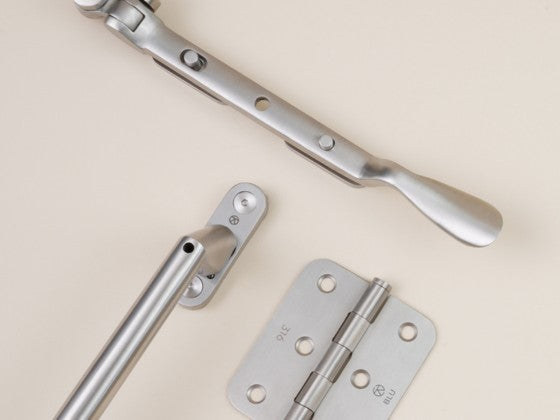
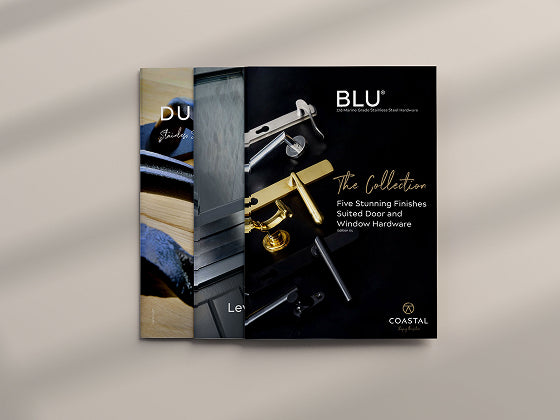
We’re so confident that 316 marine grade stainless steel is built to last that we use it throughout our Blu range of external door and window hardware, which comes with a lifetime guarantee.

Inspiration Gallery: Real Projects. Real Results.
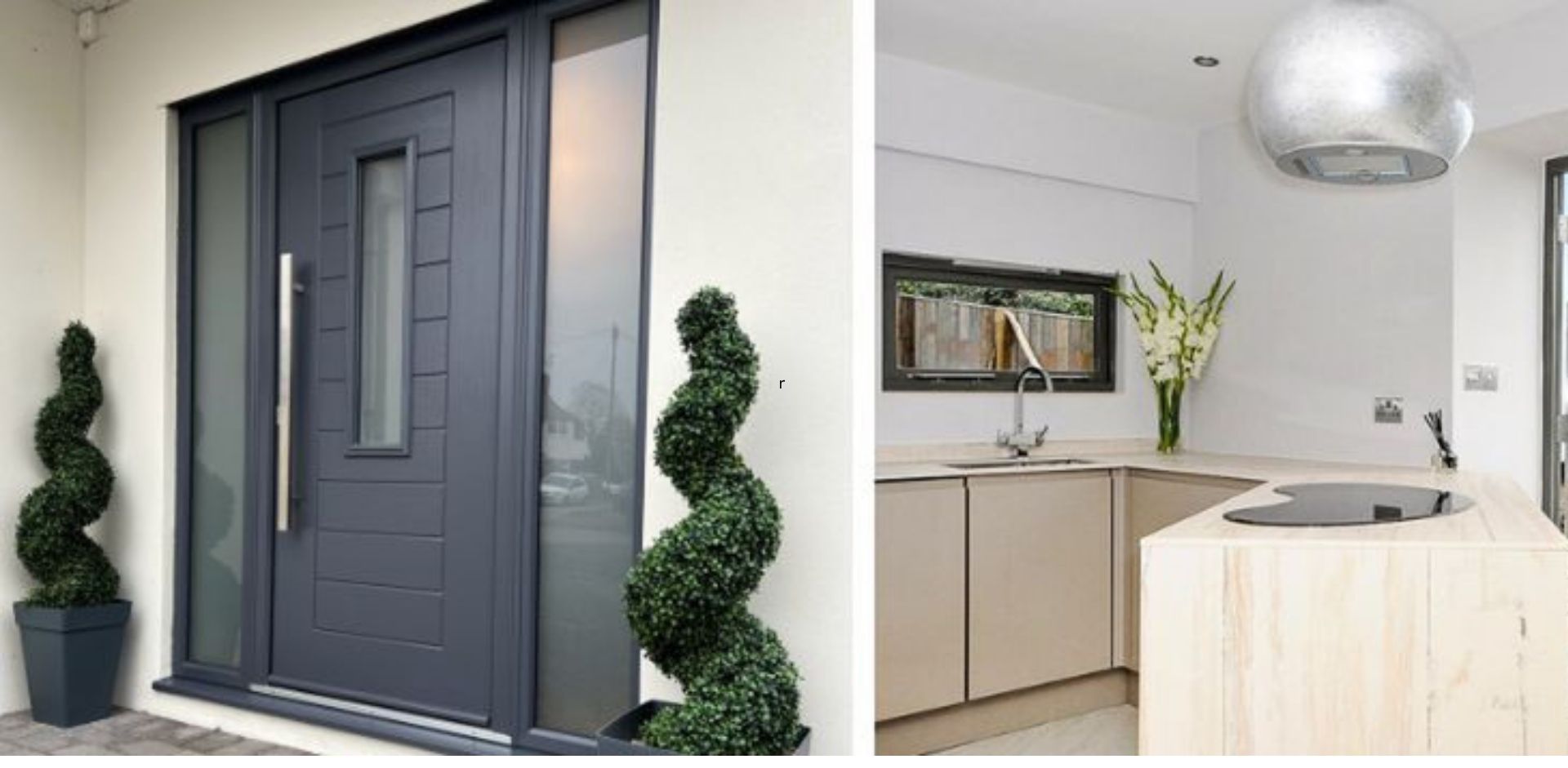
Take a look at our letterplate gallery, where you’ll find real customer projects featuring the LP400 installed in some of the UK’s most exposed coastal areas.

These installations show how the right material choice - and solid 316 stainless steel hardware - helps protect doors from rust, staining, and early failure. It’s a practical example of how getting the spec right leads to long-term reliability and satisfied customers.

Built for the Coast; Backed by Experience
When you work near the sea, the environment demands more - and so should your hardware. Specifying 316 marine grade stainless steel isn’t a luxury; it’s the standard that ensures your work stands up over time.
These installations show how the right material choice - and solid 316 stainless steel hardware-helps protect doors from rust, staining, and early failure. It’s a practical example of how getting the spec right leads to long-term reliability and satisfied customers.

With the LP400 Sleeved Letter Plate, you’re not just choosing corrosion resistance - you’re choosing reliability, fewer callbacks, and long-term customer satisfaction.
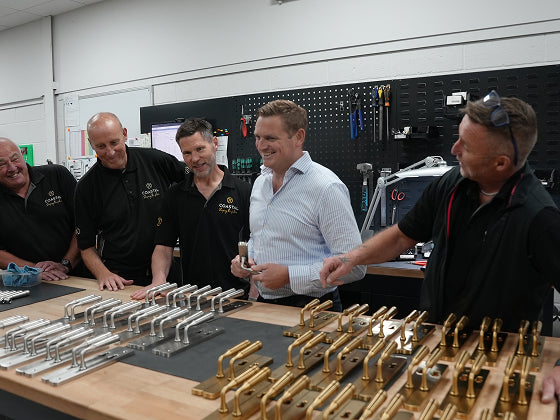
It’s the product that professionals return to, project after project, because it performs where others don’t. The LP400 is also built in house at Coastal’s HQ in Cornwall, ensuring quality checks and consistency throughout.
Built to last. Built for the coast, the LP400 sleeved letter plate is proof that the right spec makes all the difference.