




Anyone who's lived by the sea for a while has seen it happen: a good-looking door handle that's rusted and dulled within eighteen months, on a house that's barely aged.
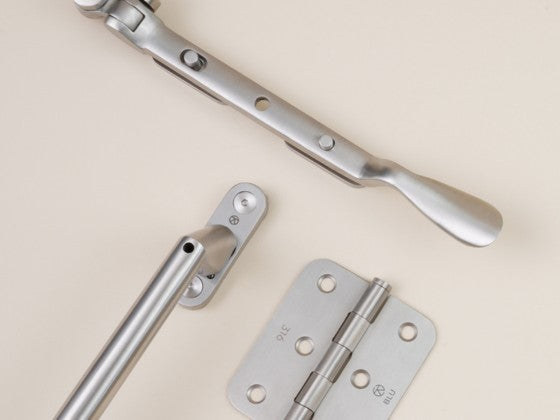
It's a common problem near the coast - and it's why 316 marine grade polished stainless steel is the material architects keep returning to.

The Handle Is the Hardest-Working Fitting in the House
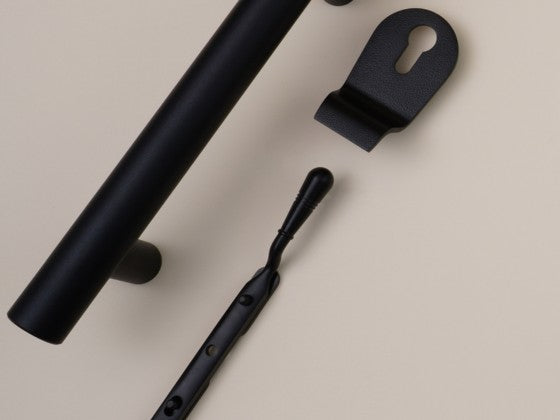
A door handle near the coast has a tougher job than most hardware in the home. It's touched daily, so it must withstand hand oils and moisture as well as the weather.
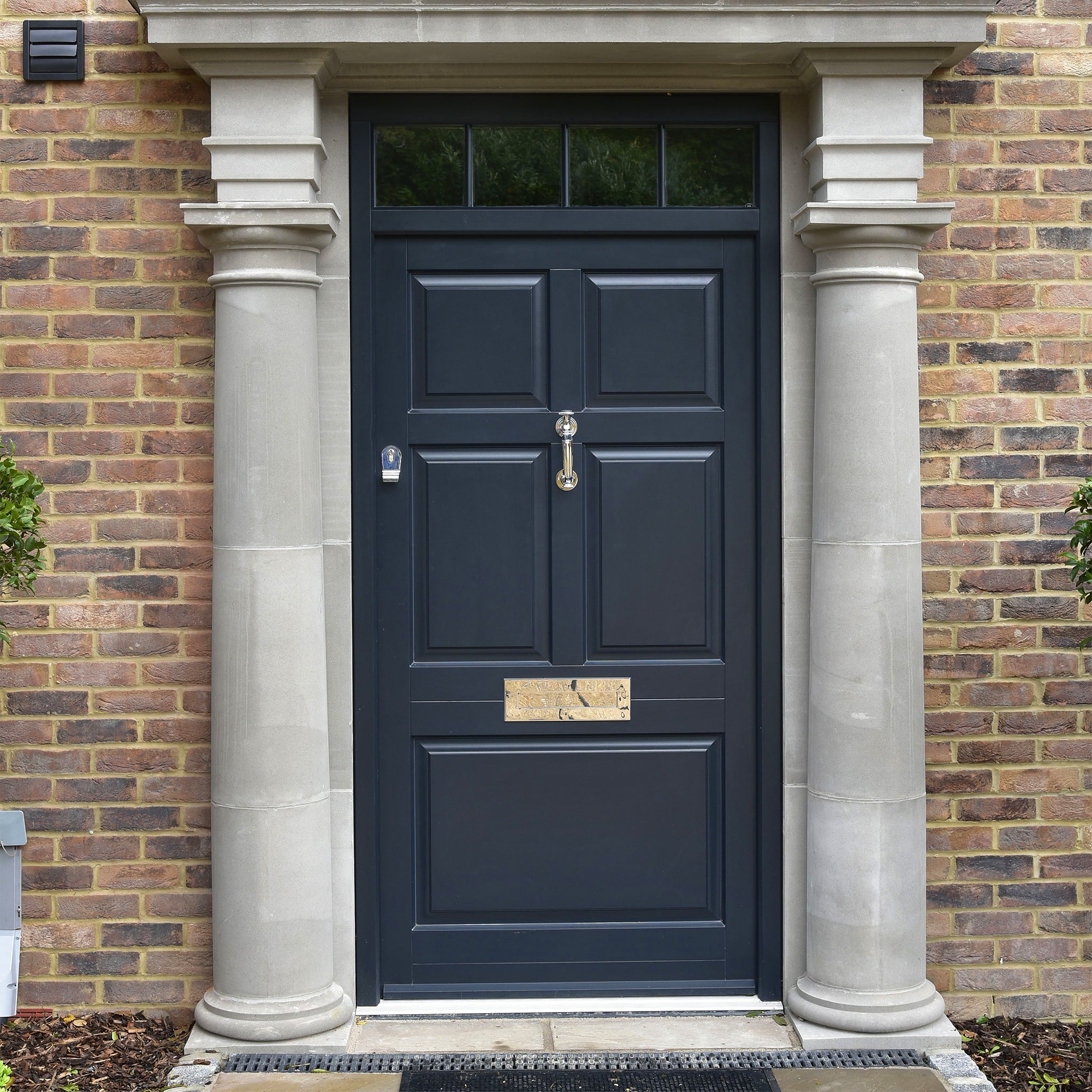
Mounted on an exterior door, it takes the full force of salt air, sun, and rain with no shelter.
And unlike a railing or cladding, it has moving parts that need to keep functioning, not just look good.
This is where cheaper metals and lower-grade stainless are not good enough.
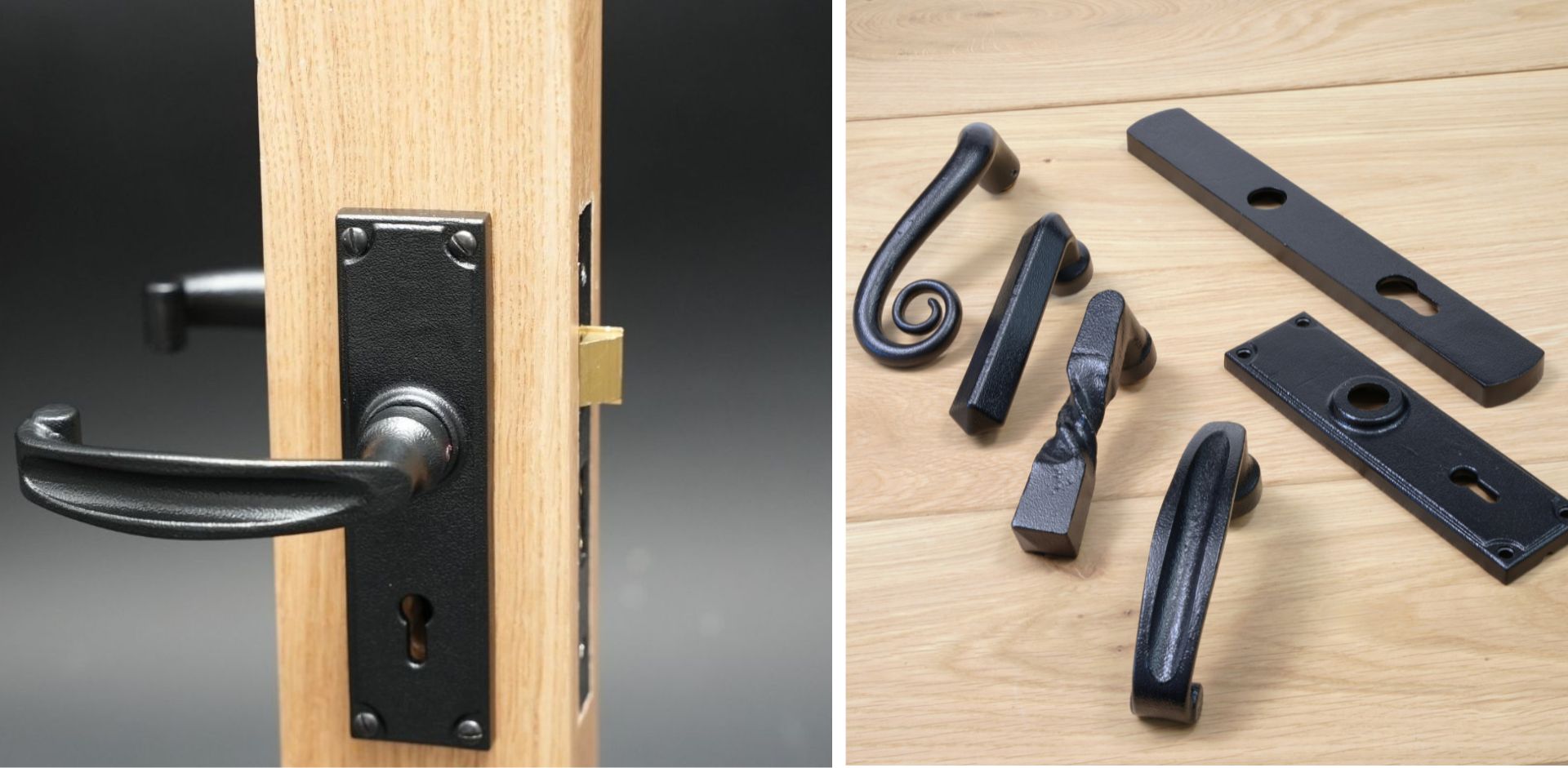
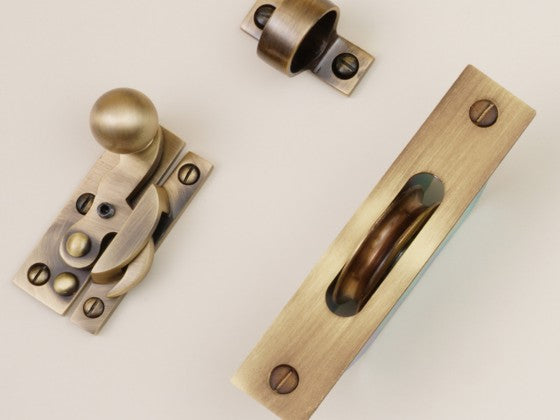
Painted or plated finishes wear thin with handling, exposing the base metal to salt air and fast corrosion.

Why 316 Polished Stainless Steel Specifically
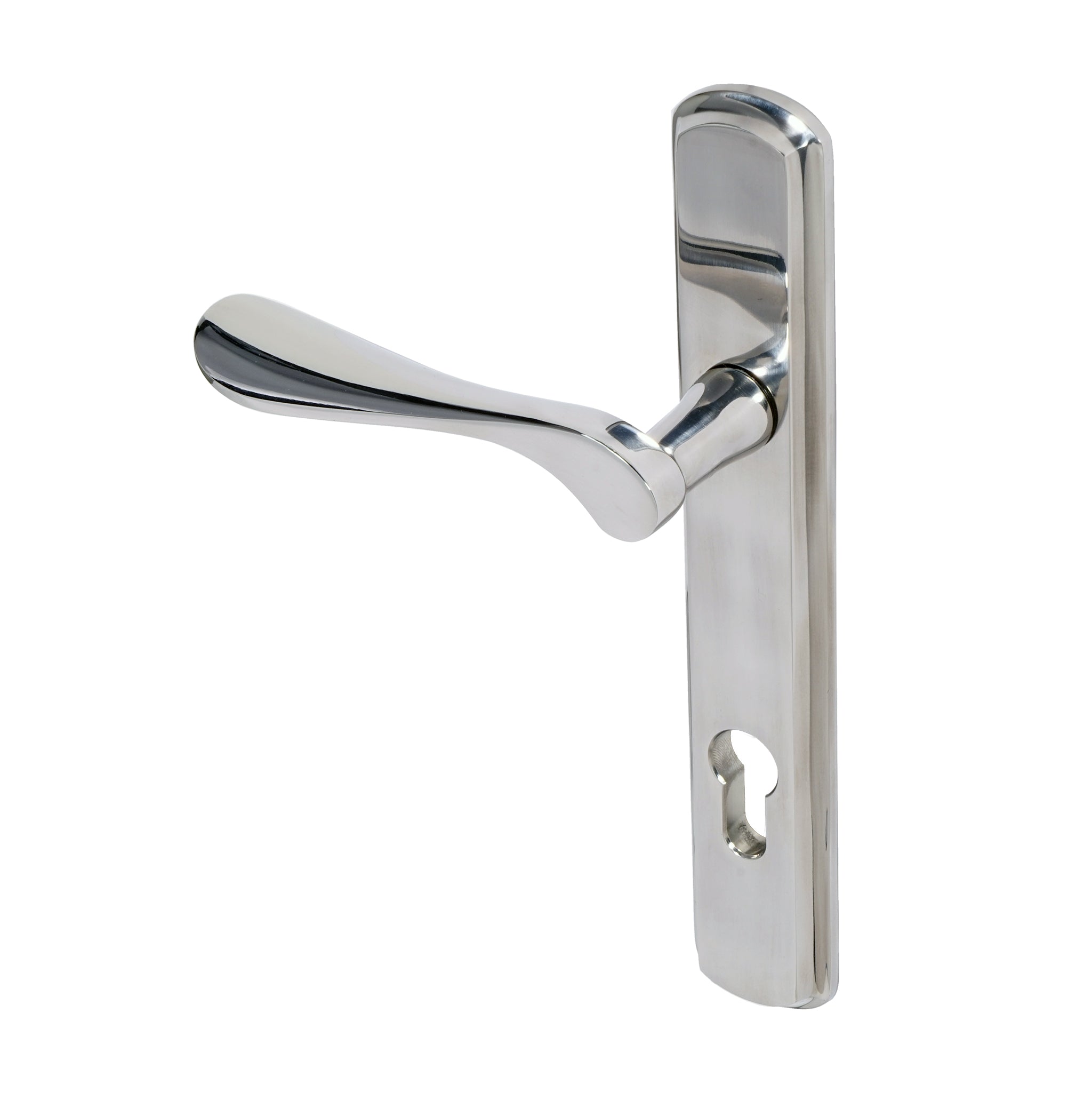
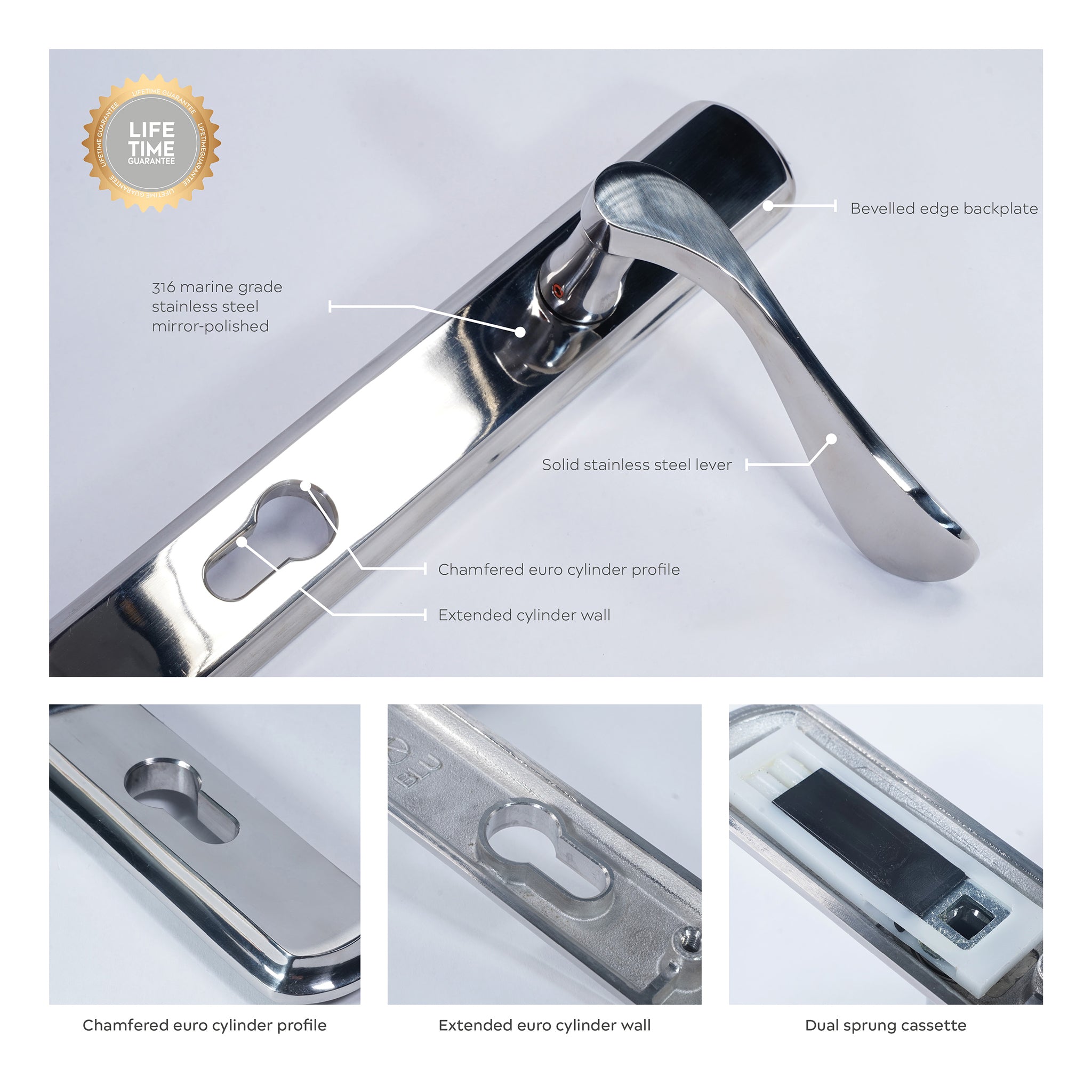
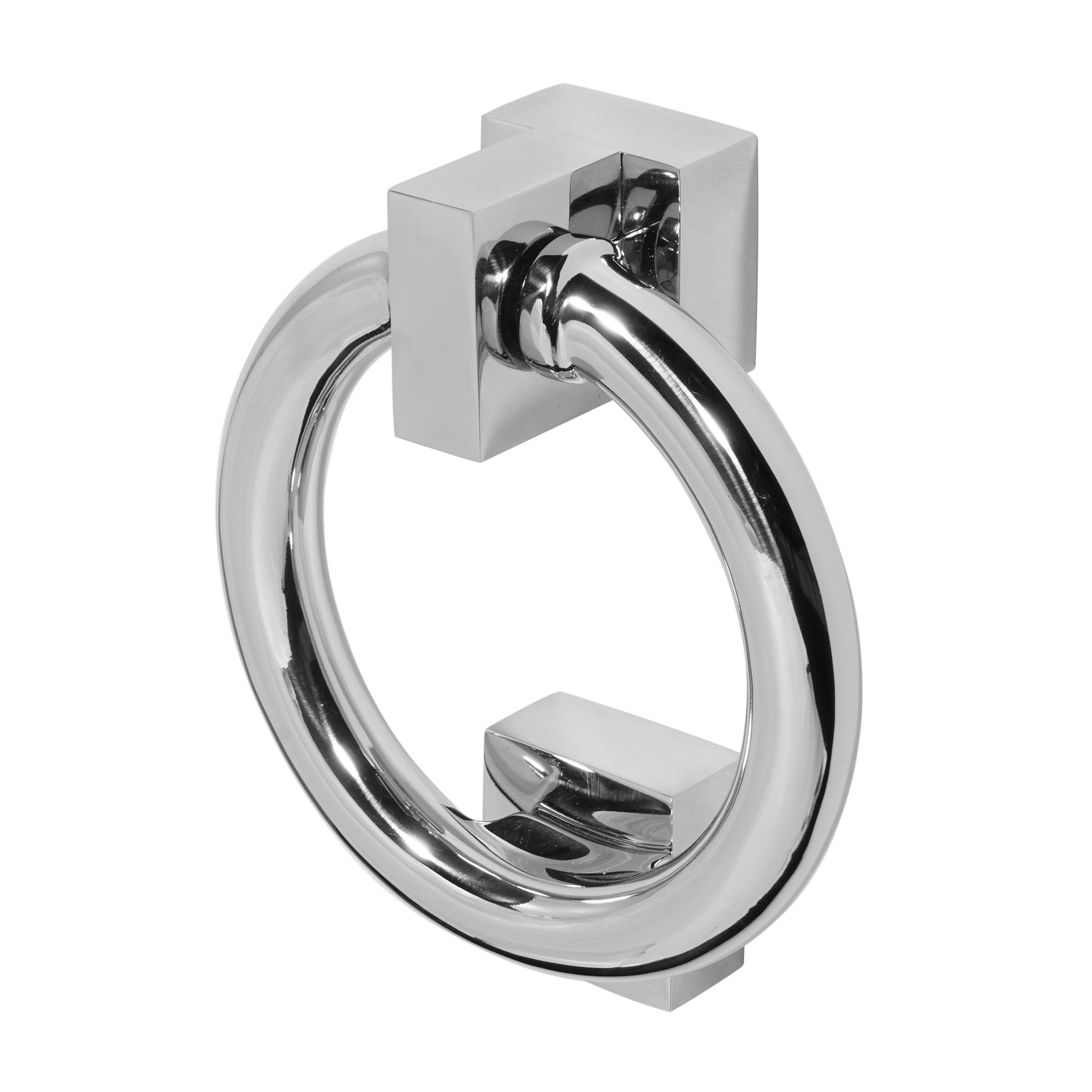
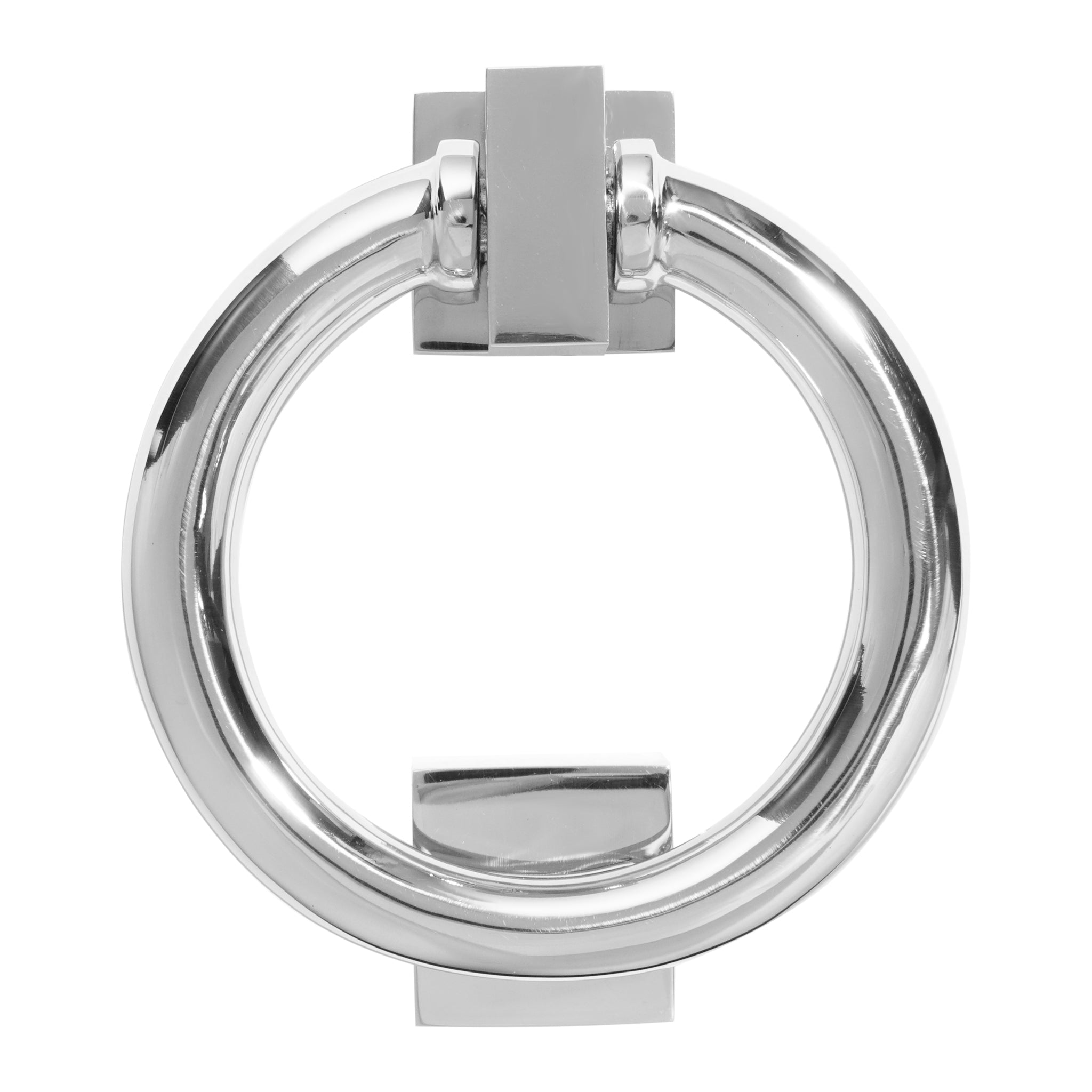
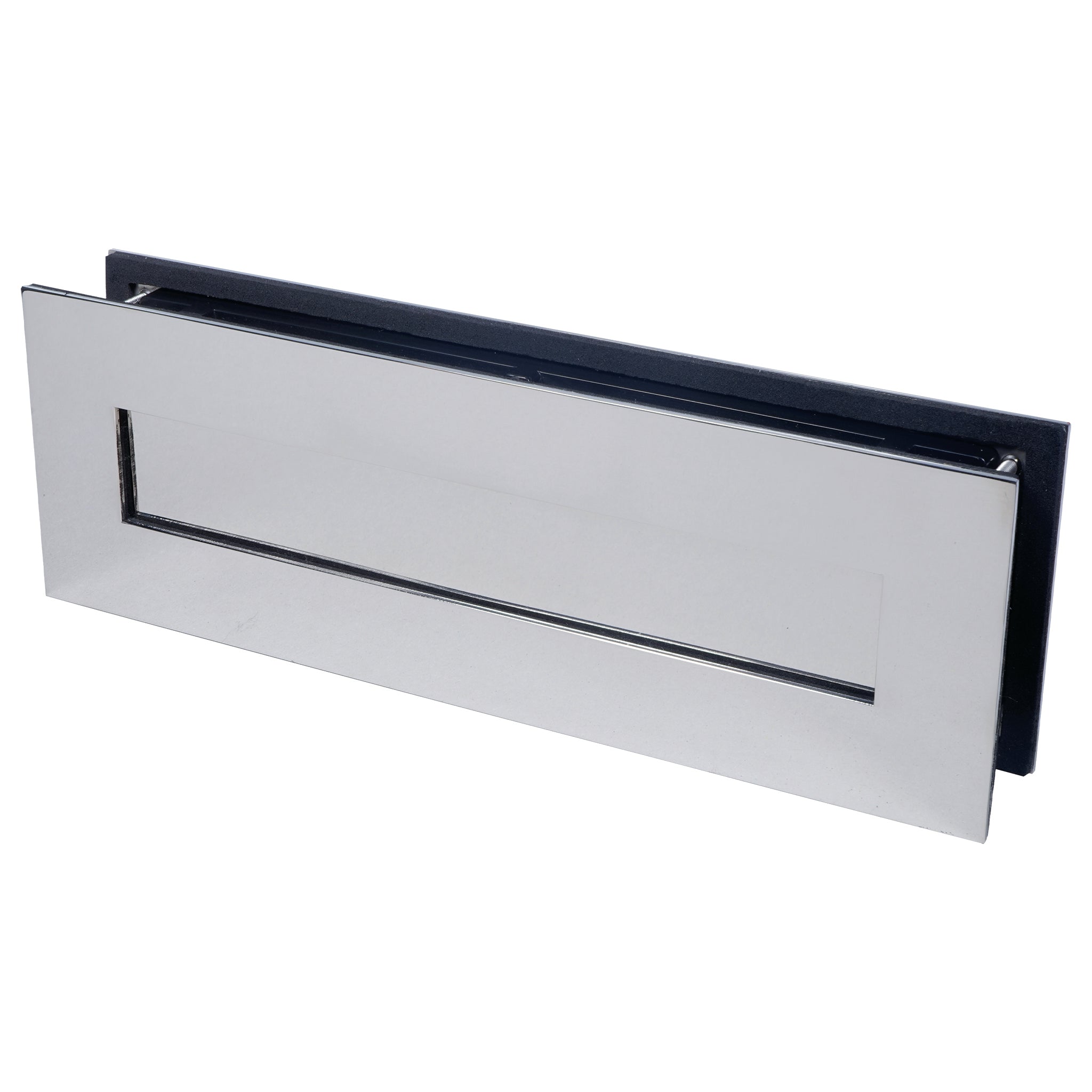
When hardware needs to survive that level of exposure and keep functioning, the specification narrows to one answer 316 marine-grade stainless steel, polished.
316 contains added molybdenum, giving it a resistance to chloride-induced pitting that standard 304 lacks.
This matters more on a door handle than almost anywhere else on a property - a handle can't be replaced as easily as a section of railing, and one that's seized or pitted doesn't just look bad, it stops working.
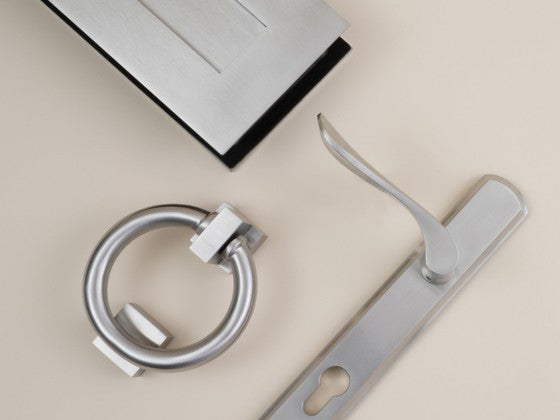
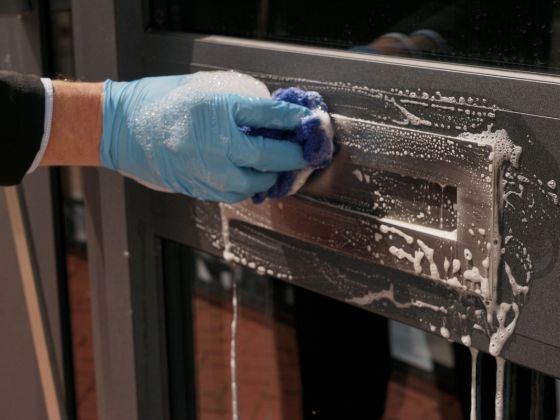
The polish adds a second layer of protection. A smooth finished surface gives salt and moisture fewer points to settle into, and it's easier to keep clean - a quick wipe removes salt film more effectively than it would from a textured finish. That matters, since a handle rarely gets the same maintenance attention as a larger architectural feature.

What Makes 316 Polished Stainless Steel the Best Option
Polished 316 stainless steel isn't recommended just because it's the industry standard - it earns that position for real reasons:
It keeps functioning.A handle's mechanism needs to move freely for years, and corrosion doesn't just stain the surface - left unchecked, it seizes the moving parts. 316 stainless resists this because a handle must work, not just look good.
It's the first thing touched, every day, in every weather.
Most coastal specification decisions involve something that gets looked at now and then. This one's different - it's touched multiple times a day, in whatever conditions the weather brings, which leaves almost no room for the material to be "almost right."
It ages the way it was meant to.
A well-specified polished 316 handle still looks close to new after years of coastal exposure. It's the real difference between replacing a handle once a decade or replacing it every couple of years because the finish couldn't keep up.
Keeping Up Maintenance
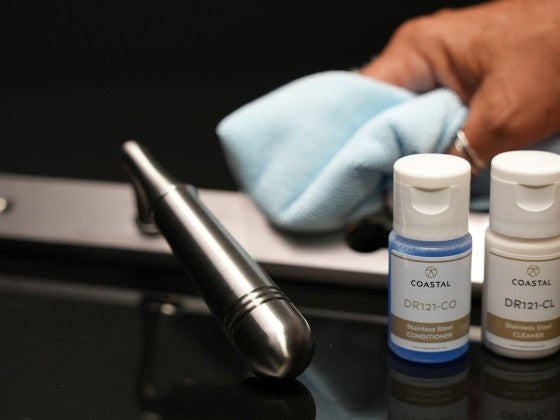
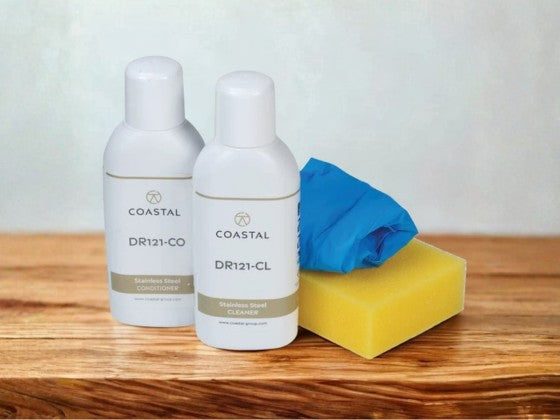
A quick rinse with fresh water after heavy salt exposure - a storm, a stretch of onshore wind - helps prevent the light surface staining that can appear even on 316 stainless in sheltered spots where salt settles, but rain never reaches.

Final Thoughts
Polished 316 stainless steel isn't specified for coastal door handles because it's trendy or because everyone else uses it - it's specified because it keeps doing the job. It opens smoothly, closes securely, and holds its finish in an environment built to wear almost everything else down.